In today’s rapidly advancing world of smart technology, Zigbee Relay Modules have emerged as an essential component in the realm of home automation and industrial control. As a part of the Internet of Things (IoT) ecosystem, these modules allow for seamless communication between devices, enabling smarter, more efficient operations for homes and businesses. This article delves into the core functionality, advantages, and applications of Zigbee Relay Modules, shedding light on how they are transforming the way we interact with our surroundings.
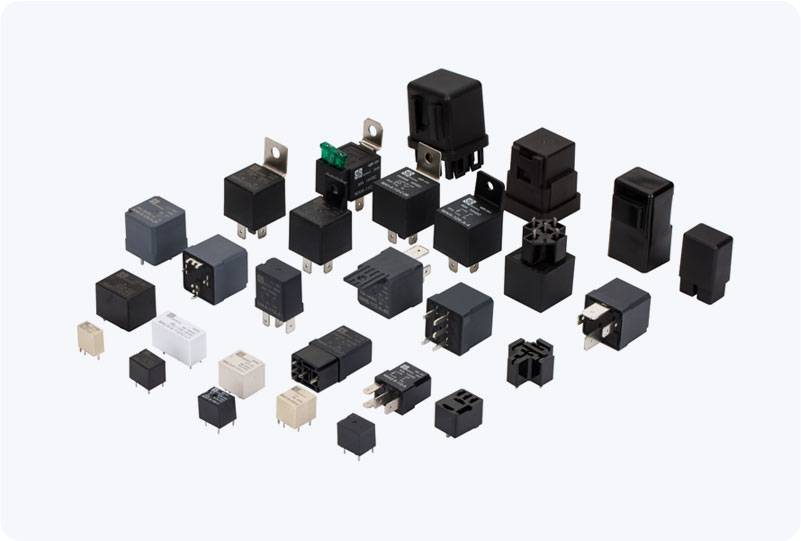
What is a Zigbee Relay Module? At its core, a Zigbee Relay Module is an electronic device that combines the power of Zigbee wireless communication with the functionality of a relay switch. A relay is essentially an electrically operated switch that allows the control of high-power devices (like lights, fans, or motors) using a low-power signal. Zigbee, on the other hand, is a low-power, short-range wireless communication protocol used in home automation systems and industrial control. The Zigbee Relay Module uses Zigbee technology to enable remote or automated control of connected electrical devices, making it a key building block for creating a smart home environment.