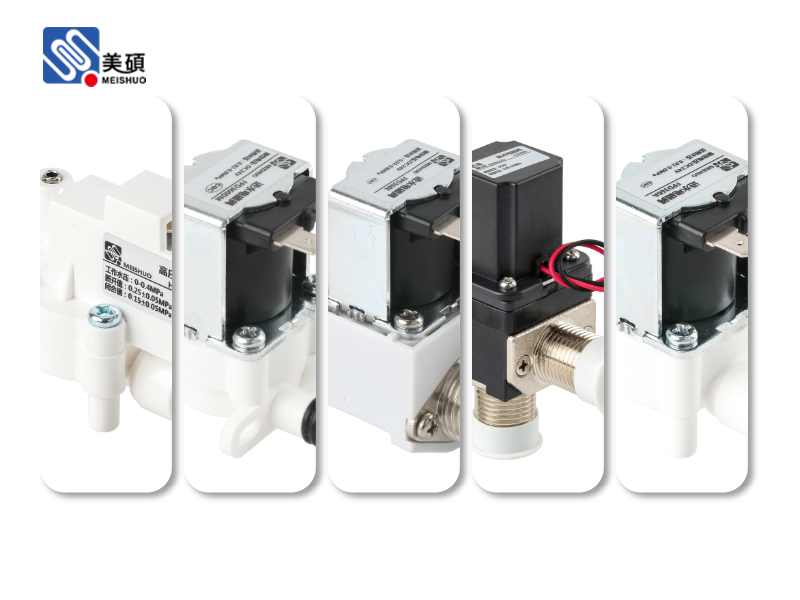
If you’ve ever turned on a refrigerator ice maker, flushed a commercial toilet, or used a touchless water fountain, you’ve relied on a plastic water solenoid valve without even knowing it. These small, unassuming components control the flow of water through an electric signal, opening or closing the line automatically when triggered. For decades, metal solenoid valves dominated plumbing and industrial applications, but plastic versions have slowly worked their way into nearly every corner of our daily lives, thanks to a unique set of benefits that fit perfectly with modern design needs. Unlike heavy, expensive brass or stainless steel options, plastic water solenoid valves strike a balance between performance, cost, and durability that makes them the go-to choice for a huge range of projects.
First, it’s important to understand what makes plastic water solenoid valves stand out from their metal counterparts when it comes to corrosion and chemical resistance. Most plumbing systems carry tap water with mild chlorine additives, and many industrial or agricultural applications move water with higher acidity, mineral content, or small amounts of fertilizers or cleaning chemicals. Metal valves, especially those made of iron or low-grade steel, start to rust and corrode after a few years of constant exposure to moisture and these chemicals, leading to clogs, leaks, and premature failure. Plastic valves, on the other hand, are typically made from food-grade ABS, nylon, or POM, materials that don’t react with most water-based chemicals and never rust. This makes them ideal for use in drinking water systems, outdoor irrigation, and even marine applications where salt water would quickly destroy metal components. I’ve talked to a small plumbing contractor who told me he used to replace 3-4 metal solenoid valves a year in coastal cabins, but after switching to plastic, he hasn’t gotten a single call for a faulty valve in five years.
Secondly, plastic water solenoid valves offer major cost and weight advantages that make them attractive for both manufacturers and end users. Raw plastic materials cost far less than brass or stainless steel, and injection molding production processes let manufacturers churn out hundreds of valves per hour with consistent quality, reducing labor costs as well. For mass-produced appliances like washing machines, ice makers, and water purifiers, that lower per-unit cost adds up to significant savings that get passed down to consumers. The lighter weight of plastic also makes a difference during installation: a 1-inch plastic solenoid valve weighs less than a third of its metal equivalent, making it easier for plumbers to maneuver in tight spaces under sinks or behind appliances. For large-scale irrigation projects that require dozens of valves spread across a field, the reduced weight also cuts down on shipping costs and makes installation faster for field crews.
Another often-overlooked benefit of plastic water solenoid valves is their design flexibility, which lets engineers tailor them to niche applications that metal valves can’t accommodate easily. Injection molding can create complex internal shapes, custom port sizes, and integrated mounting points in a single production step, something that would require expensive machining and welding for metal. This means manufacturers can create tiny solenoid valves for portable coffee makers, or larger valves for underground sprinkler systems, without retooling entire production lines. Plastic is also much easier to modify for specific pressure ratings: designers can adjust the thickness of valve walls to handle low-pressure domestic drinking water or higher-pressure industrial applications, all while keeping the exterior footprint the same. This flexibility has opened up new use cases for solenoid valves in consumer electronics and portable devices, where size and weight constraints would rule out bulkier metal options.
Of course, plastic water solenoid valves aren’t the perfect choice for every application, and it’s important to acknowledge their limitations to give a full picture. Extreme high-temperature water, for example, can soften some lower-grade plastics over time, so most manufacturers recommend using metal valves for industrial applications that handle water over 180 degrees Fahrenheit. High-pressure systems over 150 PSI also often require metal valves, since plastic can warp or crack under sustained extreme pressure. But for 90% of common applications—residential plumbing, irrigation, consumer appliances, drinking water systems—modern food-grade plastics can easily handle the pressure and temperature ranges they’ll encounter. Advances in material science have also created high-performance engineered plastics that can handle much more extreme conditions than old plastic models, closing the gap in performance between plastic and metal for many use cases.
At the end of the day, plastic water solenoid valves are a perfect example of how a small, behind-the-scenes component can make modern life more affordable, reliable, and accessible. They don’t get the same attention as fancy smart thermostats or high-end appliances, but they quietly keep our systems running day after day, with less maintenance and lower costs than older metal alternatives. As more manufacturers prioritize sustainable, low-cost materials that perform well over time, it’s likely we’ll see plastic water solenoid valves used in even more applications in the coming years. For anyone designing a new plumbing system, picking out parts for an irrigation project, or building a new consumer appliance, they’re a practical choice that delivers solid value without unnecessary extra cost.