Water solenoid valves are critical components in modern automation and control systems, providing efficient, reliable, and precise management of water flow. These valves are designed to regulate the flow of water by utilizing an electromagnetic mechanism to open or close a valve, based on the electrical signal received. This technology has revolutionized a wide array of industries by offering automated solutions that enhance operational efficiency, reduce human intervention, and prevent system failures due to water-related issues. In this article, we will explore the principles, types, applications, and benefits of water solenoid valves.
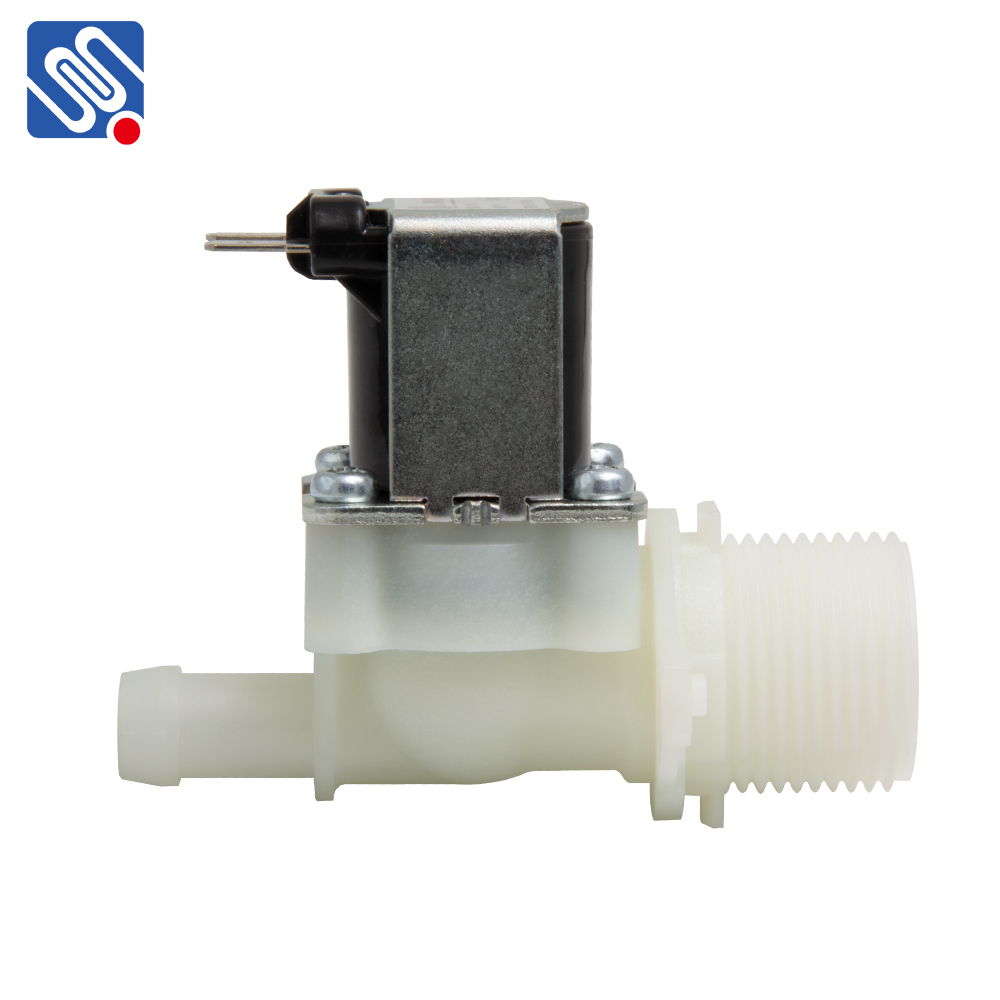
Principles of Operation The basic operation of a water solenoid valve hinges on the interaction between an electrical current and a magnetic field. The valve consists of a coil of wire, known as the solenoid, which is connected to an electric power source. When an electric current passes through the solenoid, it generates a magnetic field that pulls or pushes a plunger inside the valve, causing it to open or close the valve port. The solenoid valve can either allow water to flow (open) or block its passage (closed) depending on the design. There are two common types of water solenoid valves: direct-acting and pilot-operated. In a direct-acting valve, the solenoid directly controls the valve opening, suitable for low-pressure and small flow applications. Pilot-operated valves, on the other hand, use the pressure of the fluid to assist in the opening and closing process, making them ideal for higher pressure and larger flow systems.