Water solenoid valves are crucial components in various systems that require precise control of water flow. From industrial applications to home automation, these valves have become an indispensable part of many water-based systems. The ability to control water flow remotely, efficiently, and accurately makes the water solenoid valve a preferred choice for engineers, designers, and technicians across different sectors. In this article, we will explore what water solenoid valves are, their working principles, applications, advantages, and maintenance.
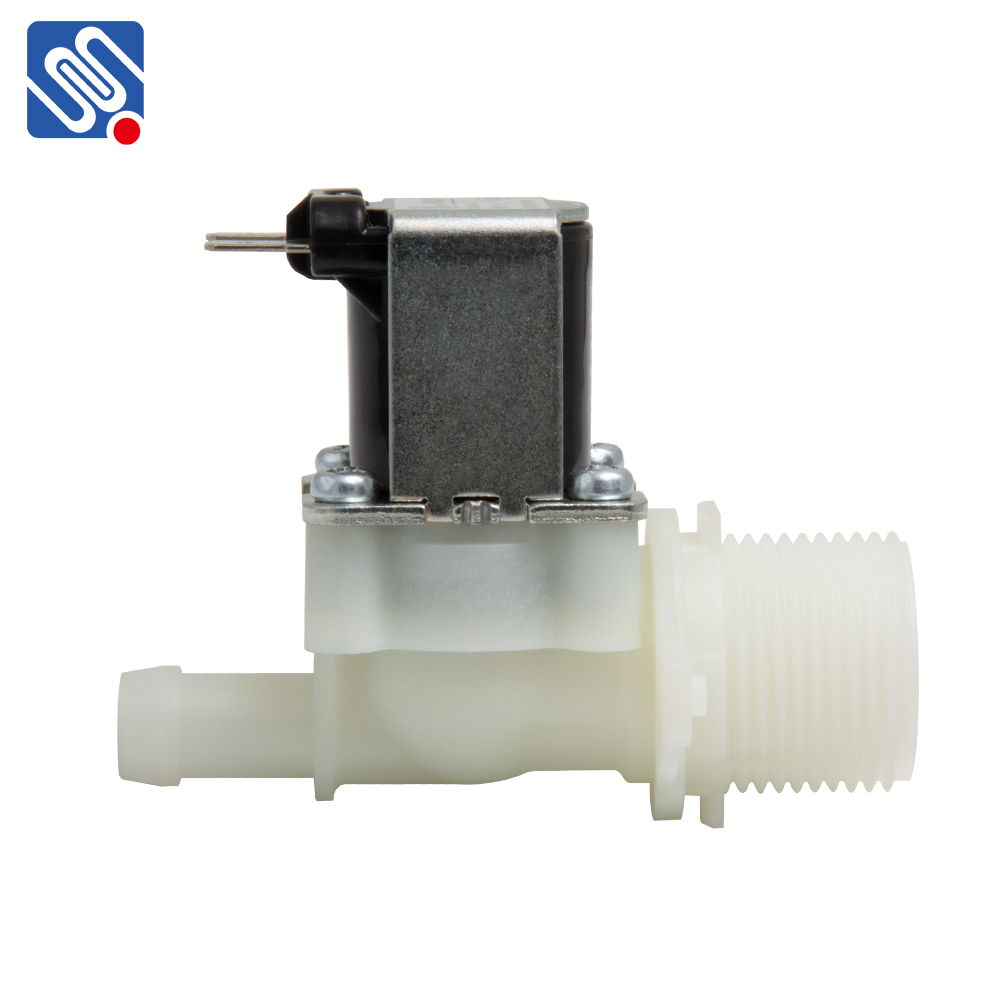
What is a Water Solenoid Valve? A water solenoid valve is an electrically operated valve used to control the flow of water through pipes or tubing. It utilizes a solenoid, which is a type of electromagnet, to actuate the valve mechanism. When the solenoid is energized, it creates a magnetic field that moves a plunger or diaphragm, thereby opening or closing the valve. This process enables water to flow or be stopped, providing automatic control without the need for manual intervention. Working Principle The basic working principle of a water solenoid valve involves the use of an electric current to power a solenoid coil. The coil generates a magnetic field when electricity flows through it. This magnetic field attracts or repels a movable part, often a plunger or diaphragm, that regulates the valve’s opening or closing. There are two main types of water solenoid valves: normally open (NO) and normally closed (NC).