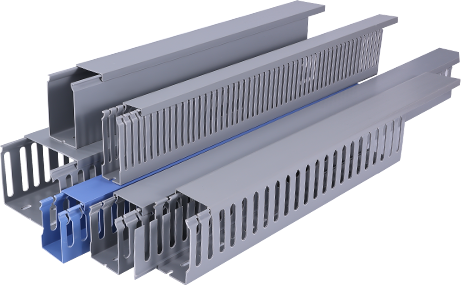
As global urban rail transit networks expand rapidly to meet growing passenger demand, the demand for robust, high-performance infrastructure components has never been higher. Among these often-overlooked but critical components is wiring duct for rail transit, a specialized solution designed to organize, protect, and manage the complex network of electrical cables and signal wires that power modern train systems. Unlike standard wiring ducts used in commercial or industrial buildings, rail transit wiring ducts are engineered to withstand extreme operating conditions, from constant vibration and temperature fluctuations to heavy mechanical stress and exposure to outdoor elements. Without properly designed and installed wiring ducts, rail networks face increased risks of cable damage, signal interference, and unplanned service disruptions that can impact passenger safety and system reliability.
First, it is important to understand the core functional requirements that set wiring duct for rail transit apart from conventional alternatives. Rail transit systems rely on a wide range of electrical and electronic systems, including traction power cables, signal communication wires, control circuits, and passenger amenities wiring. All these cables must be separated and organized to prevent cross-interference, which can disrupt signal systems that are critical for safe train operation. Wiring ducts for this application provide dedicated compartments for different cable types, reducing electromagnetic interference and making routine maintenance and system upgrades much easier. Additionally, these ducts must meet strict fire safety standards, as rail tunnels and stations are enclosed spaces where fire spread can pose extreme risks to passengers and staff. High-quality rail transit wiring ducts are manufactured from flame-retardant, low-smoke, zero-halogen materials that limit fire growth and reduce toxic fume emission, meeting international safety standards such as EN 45545-2 for railway applications.
Secondly, the material selection for wiring duct for rail transit is tailored to the harsh operating environment of rail systems. Most modern rail wiring ducts are made from reinforced thermoplastics or coated metal alloys, each offering unique advantages for different use cases. Reinforced thermoplastic ducts are lightweight, corrosion-resistant, and easy to install, making them ideal for underground station installations and rolling stock applications where weight reduction is a key priority. These materials also absorb vibration better than solid metal, reducing the risk of cable damage caused by constant train movement and track vibration. For outdoor overhead line applications and traction power substations, coated metal wiring ducts offer higher mechanical strength and resistance to impact and extreme weather conditions, including ultraviolet radiation and temperature changes ranging from -40°C to over 60°C in different regions. Regardless of the material chosen, all rail-grade wiring ducts undergo rigorous testing to ensure they can withstand decades of use without degradation, reducing long-term maintenance costs for transit operators.
In addition, proper installation and system design of wiring duct for rail transit play a critical role in ensuring long-term system reliability. Rail transit networks have unique layout requirements, with curved tracks, tight spaces in tunnel walls, and limited clearance under station platforms. Modern wiring duct manufacturers offer pre-fabricated custom sections and modular designs that can adapt to these complex layouts, reducing installation time and ensuring a perfect fit. Modular designs also allow for easy expansion when transit networks are extended or upgraded, eliminating the need for full replacement of existing duct systems and reducing project costs. Transit operators also benefit from integrated access features in modern wiring ducts, such as removable covers that allow maintenance teams to quickly inspect, add, or replace cables without disrupting regular service. This is particularly important for busy urban rail lines that can only be closed for maintenance during limited overnight hours.
Finally, the future development of wiring duct for rail transit is closely tied to the digital transformation of the rail industry. As modern rail systems add more smart technology, including IoT sensors for condition monitoring, high-speed communication networks for driverless trains, and advanced passenger Wi-Fi systems, the amount of cabling required has increased significantly. This has led to the development of new wiring duct designs with extra compartments and integrated cable management features that can accommodate this increased density while still maintaining proper separation between power and signal cables. Some manufacturers are also integrating smart monitoring sensors directly into wiring ducts, allowing operators to detect cable overheating, moisture intrusion, or mechanical damage in real time, enabling predictive maintenance that prevents unplanned outages before they occur.
In conclusion, wiring duct for rail transit is a foundational component that supports the safe, reliable operation of modern rail networks. Its specialized design, material selection, and installation considerations address the unique challenges of the rail environment, from vibration and fire safety to complex layout requirements. As rail transit continues to grow and evolve with smart technology integration, the role of high-performance wiring ducts will only become more important. Investing in quality rail-grade wiring duct systems not only improves long-term reliability and safety but also reduces total cost of ownership for transit operators, making it a critical investment for any new rail construction or upgrade project.