Wireless relay technology plays a crucial role in enhancing the reliability, range, and efficiency of wireless communication systems. As wireless networks continue to expand and become more integral to our daily lives, understanding the workings and applications of wireless relay devices is essential. These devices not only extend the coverage of wireless networks but also ensure stable and seamless communication in various environments. This article delves into the concept of wireless relays, their functions, applications, and how they are transforming modern connectivity.
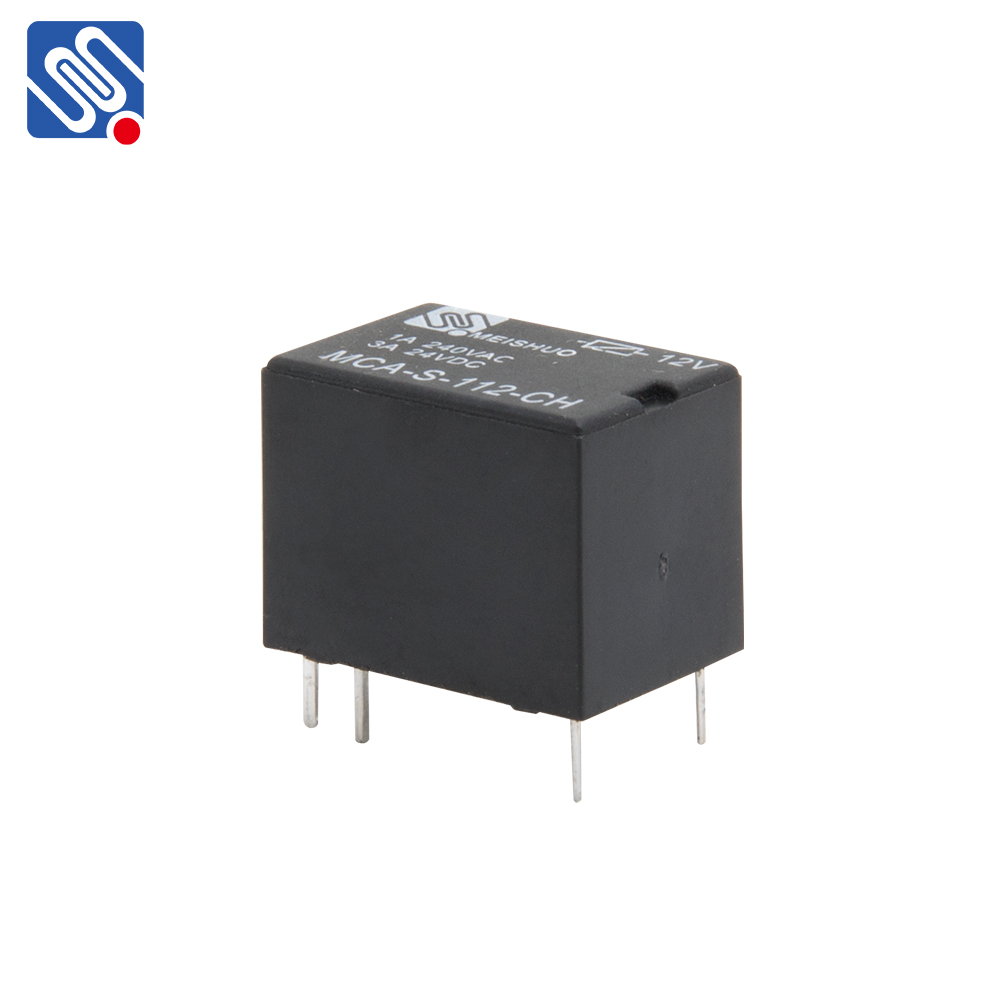
What is a Wireless Relay? A wireless relay is essentially a device designed to receive and forward wireless signals from one point to another. It acts as an intermediary, amplifying or retransmitting signals to extend the range and improve the quality of communication between devices in a network. Unlike traditional relays that rely on wired connections, wireless relays operate through radio frequencies, offering greater flexibility and convenience in areas where physical cabling is impractical or impossible. The primary purpose of a wireless relay is to overcome the limitations of signal range and strength. In large buildings, remote locations, or challenging environments where signal attenuation occurs, wireless relays help ensure that signals are effectively transmitted over long distances or through obstacles like walls and floors. By amplifying and re-transmitting the signal, these relays ensure consistent connectivity without the need for extensive infrastructure.