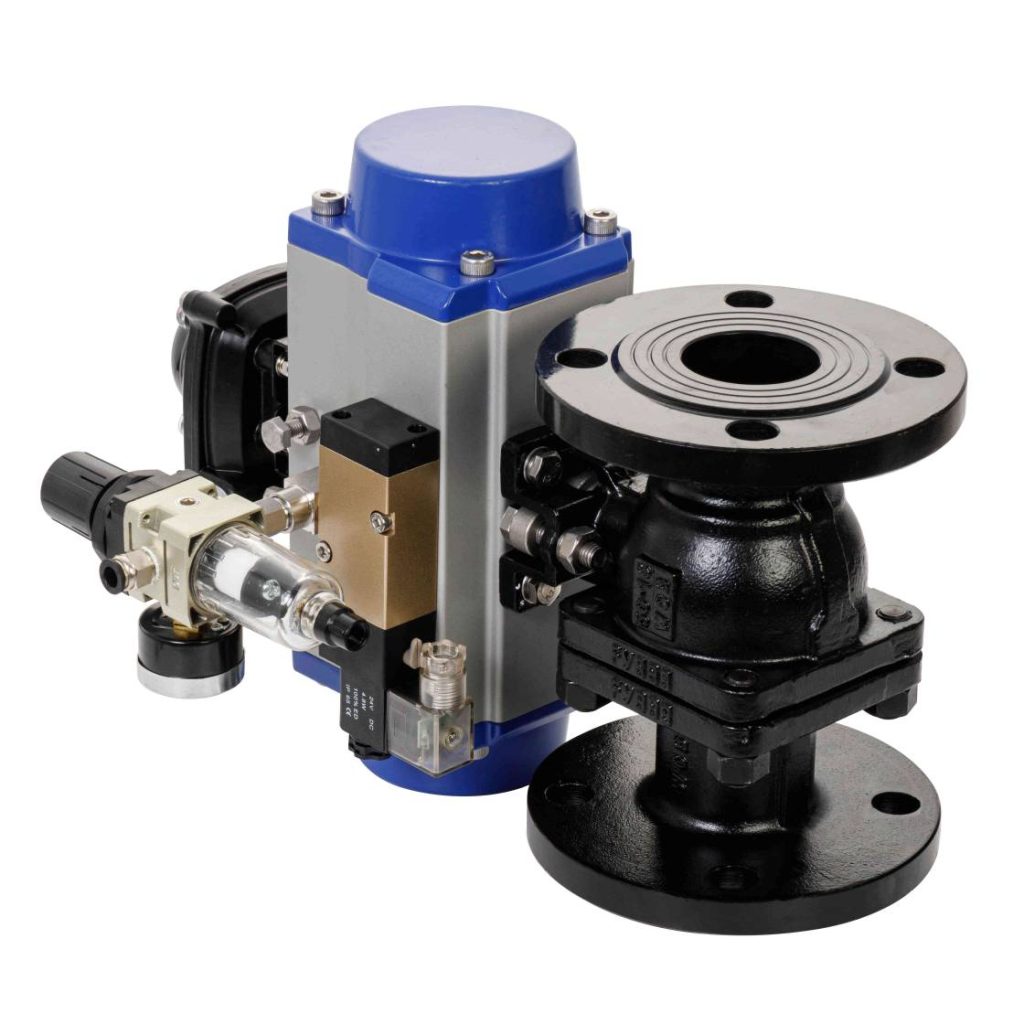
WCB Pneumatic ball valves are indispensable components in modern industrial processes, providing reliable and efficient fluid control. Constructed from WCB, a type of wrought carbon steel, these valves symbolize strength and durability, making them a popular choice across various sectors such as oil and gas, chemical processing, power generation, and water treatment. This article aims to delve into the features, benefits, and applications of WCB pneumatic ball valves, highlighting their essential role in automation and fluid management.
Construction and Design
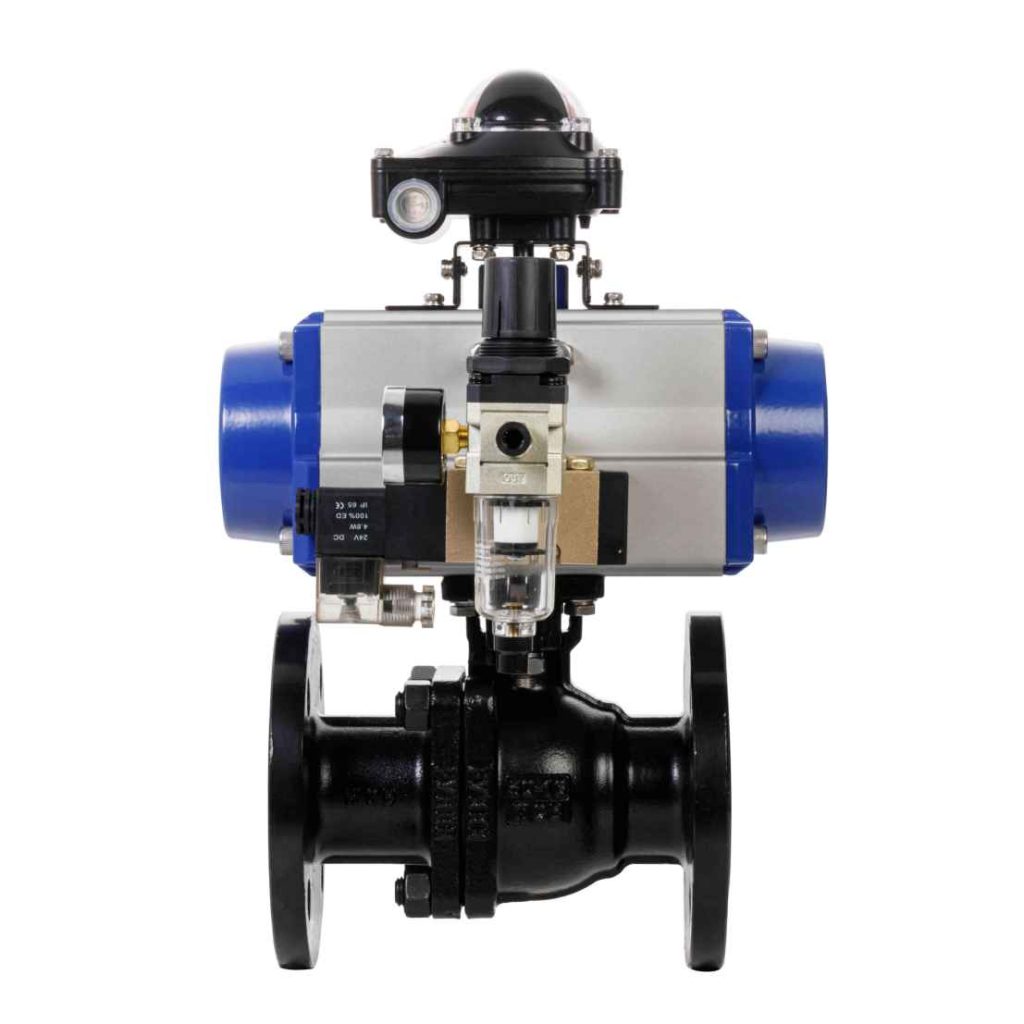
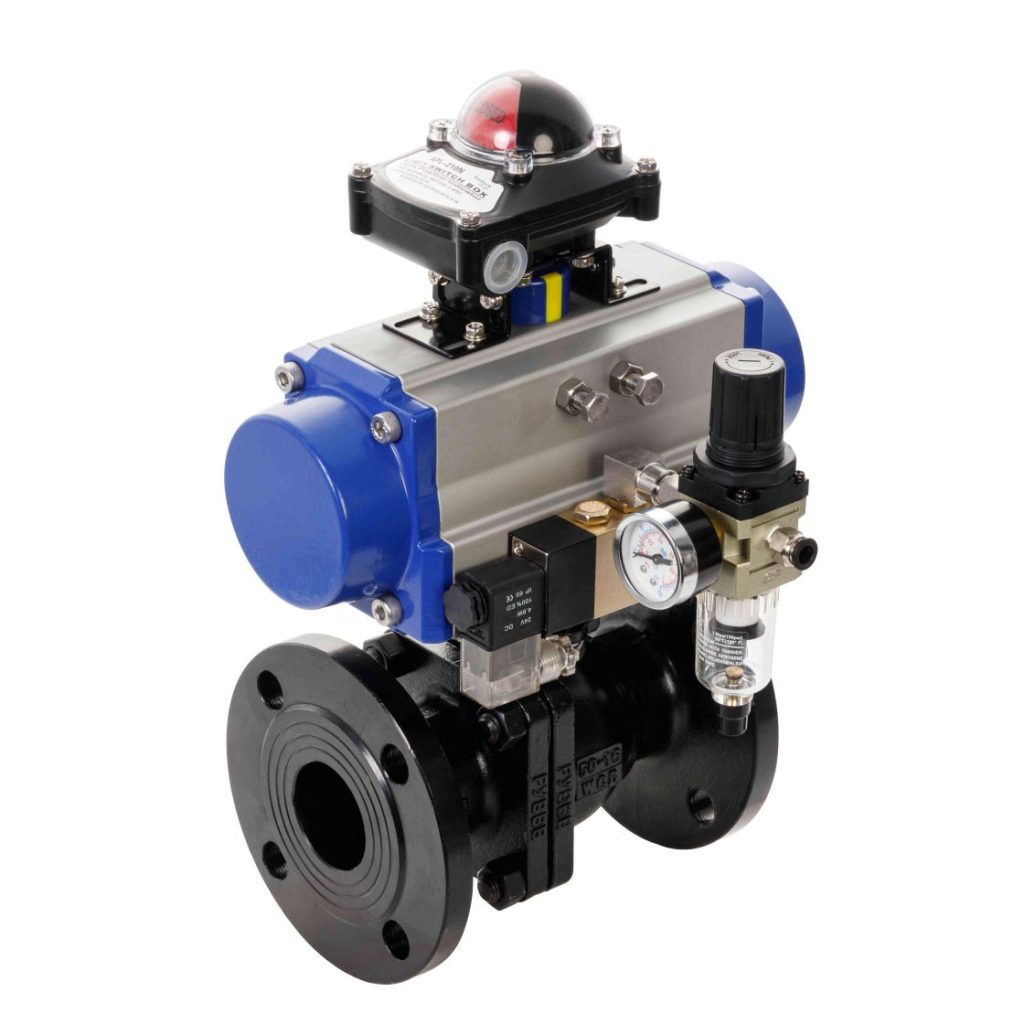
WCB pneumatic ball valves comprise three primary components: the valve body, the ball, and the pneumatic actuator. The body is typically made from WCB material, known for its excellent mechanical properties, including strength and corrosion resistance. The ball, which is the central controlling element, is usually made from stainless steel or similar materials to enhance durability. The valve’s design features a spherical ball with a hole through its center, allowing it to fully open or close fluid flow with a smooth quarter-turn action. The pneumatic actuator is connected to the valve and acts as the driving force for opening or closing the valve. This actuator operates using compressed air to move the valve into its desired position swiftly. Various actuator designs, such as double-acting and spring-return, can be utilized based on the application requirements, allowing for a wide range of operational flexibility.