A Time Relay is an indispensable component in various industrial control systems, automation, and electrical devices. It acts as a timing mechanism that delays or controls an electrical circuit based on time intervals, ensuring that systems work precisely as intended. In this article, we will explore the functions, types, working principles, applications, and key considerations for using time relays.
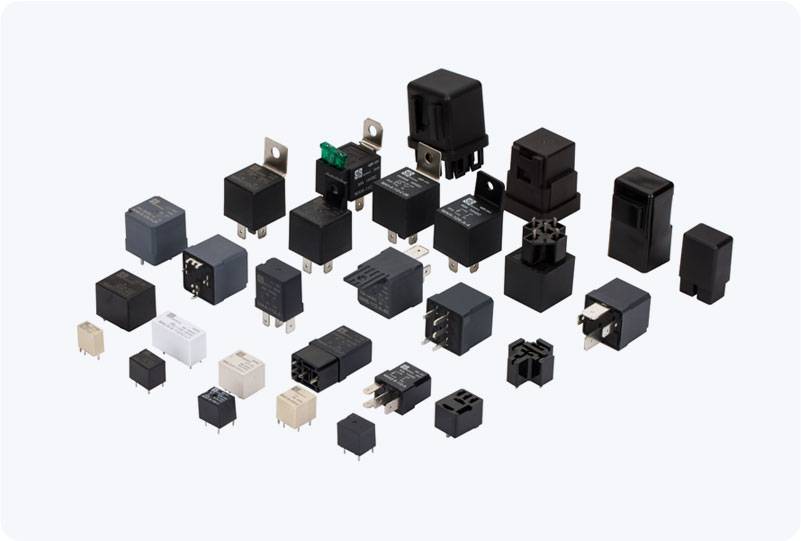
What is a Time Relay? A Time Relay, often known as a time-delay relay, is an electrical device used to delay the activation or deactivation of an electrical circuit. It controls the timing of the operation, switching on or off based on a set delay time. This is particularly useful in situations where processes require specific timing, such as controlling motors, lighting, or machinery in industrial settings. The time relay helps in ensuring that operations are synchronized correctly and prevents potential malfunctions or damage caused by improper timing. How Does a Time Relay Work? The working principle of a time relay is straightforward. It consists of a relay coil, a contact set, and a timing mechanism. When power is applied to the relay, it either starts a delay or performs a specified action after a predefined time period. There are two primary modes of time relays: