A Time Delay Relay (TDR) is a versatile and essential component in many electrical and automation systems, providing delayed switching capabilities. By introducing a time delay, it helps manage the timing of operations in a circuit, offering flexibility and control. Whether in industrial machinery, power systems, or automation applications, understanding the functions, types, and applications of Time Delay Relays is crucial for both design and troubleshooting.
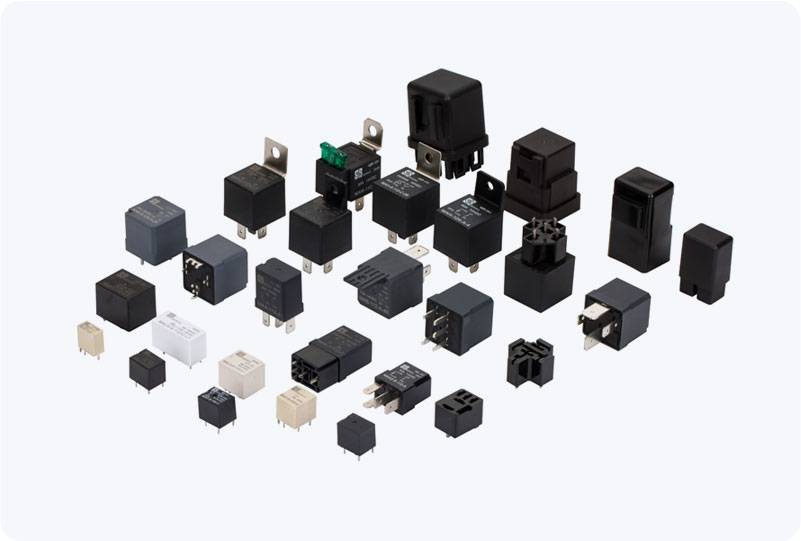
What is a Time Delay Relay? A Time Delay Relay is an electro-mechanical or solid-state relay that introduces a delay between the input signal and the output response. This delay ensures that a specific event, like switching a device on or off, occurs after a predefined time interval. Unlike regular relays, which act instantaneously when energized, Time Delay Relays provide a controlled response that can prevent damage, improve system efficiency, or enable safety protocols in a wide variety of systems. The core function of a Time Delay Relay is to introduce time-based control to electrical circuits. It can delay either the closure or opening of the relay’s contacts, making it a fundamental tool for automating processes that require precise timing.