In today’s rapidly advancing technological landscape, the significance of thermal management has become paramount, particularly in electrical and electronic systems. Among the various components that facilitate effective thermal control, the Thermal Management Relay stands out as a crucial device designed to monitor and regulate temperature, ensuring that systems operate within safe parameters. This article delves into what Thermal Management Relay is, how it functions, its applications, and the factors to consider when selecting this important component.
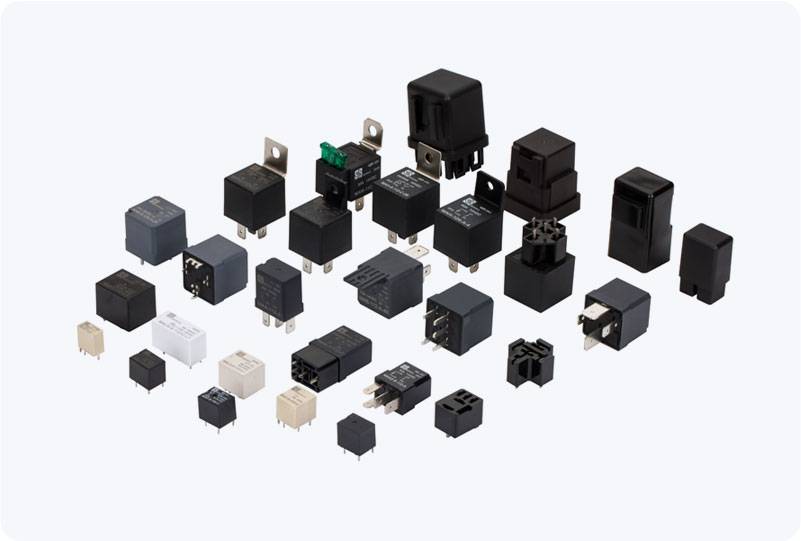
What is a Thermal Management Relay? A Thermal Management Relay is an electromechanical device that helps manage and monitor the temperature of electric circuits and machinery. Its primary function is to act as a safeguard against overheating by controlling the power supply based on temperature readings. When the temperature of the system exceeds a predefined threshold, the relay intervenes, either by shutting off the power or activating cooling mechanisms, thereby preventing potential damage or failure. How Does a Thermal Management Relay Work? The operation of a Thermal Management Relay revolves around its temperature-sensing capabilities and control mechanisms: