The Zigbee Relay Module is a powerful component used in modern automation systems, allowing for wireless control of electrical devices through Zigbee’s low-power, short-range communication protocol. It has found widespread use in home automation, industrial control, and smart-building applications due to its reliability, ease of use, and flexibility in connecting a wide variety of devices. This article delves into the functionality, key features, and various applications of the Zigbee Relay Module.
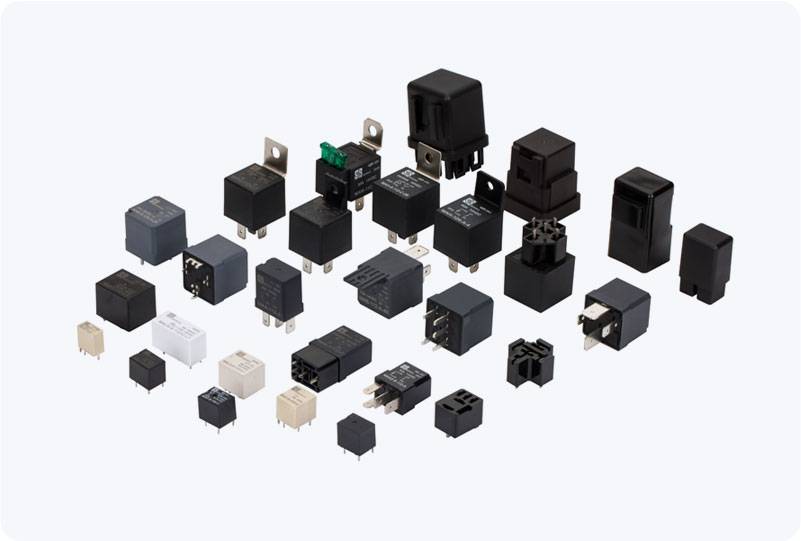
What is a Zigbee Relay Module? At its core, the Zigbee Relay Module is a relay switch that can be wirelessly controlled via Zigbee communication. A relay is an electromechanical switch that can open or close an electrical circuit, enabling the control of devices such as lights, fans, appliances, or any other electrical systems. The Zigbee protocol ensures that communication between devices is reliable and efficient, making the Zigbee Relay Module ideal for scenarios where remote control or automation is required. The Zigbee Relay Module integrates both a Zigbee radio and a relay mechanism, allowing it to connect with Zigbee-compatible hubs or controllers. This enables users to turn devices on or off, schedule tasks, or automate systems from a distance, all while consuming minimal power. As a part of the larger Zigbee ecosystem, the module can be used in various smart home and industrial setups.