The Zigbee Relay Module is an essential component in the growing field of smart home automation. Leveraging the power of the Zigbee wireless communication protocol, this module enables remote control of electrical devices through a simple yet efficient relay mechanism. In this article, we’ll delve into the technical aspects of Zigbee Relay Modules, their applications, and why they are crucial for the future of connected homes and IoT (Internet of Things) networks.
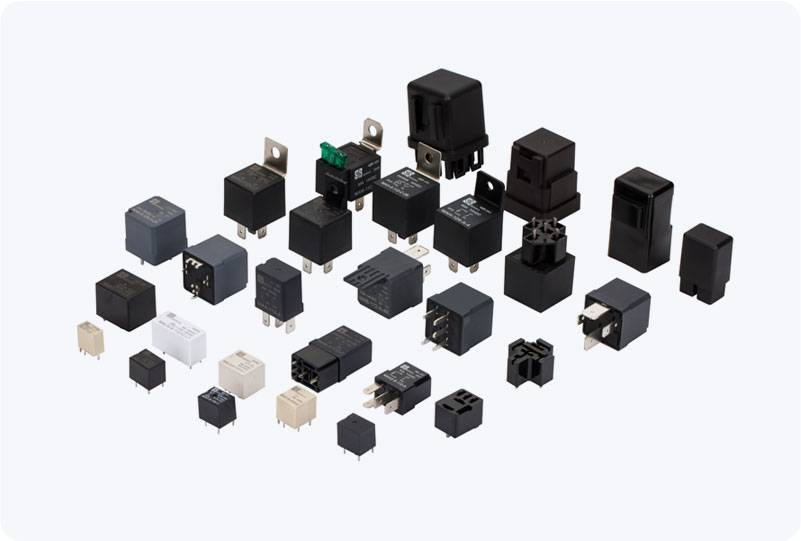
What is a Zigbee Relay Module? A Zigbee Relay Module is a device that uses the Zigbee wireless standard to control the switching of electrical circuits. It typically consists of a relay switch that can control high or low voltage electrical devices like lights, fans, and appliances. The module communicates via the Zigbee protocol, which is a low-power, low-data-rate wireless communication standard designed for short-range applications. It is commonly used in automation systems, home security, and energy management solutions. The core function of the Zigbee Relay Module is to remotely turn electrical devices on or off. The module receives commands from a Zigbee controller or gateway, such as a smartphone app or an automation hub, and activates or deactivates the connected relay to control the attached device. These modules can be integrated into larger Zigbee-based systems to enhance the functionality and interconnectivity of various IoT devices.