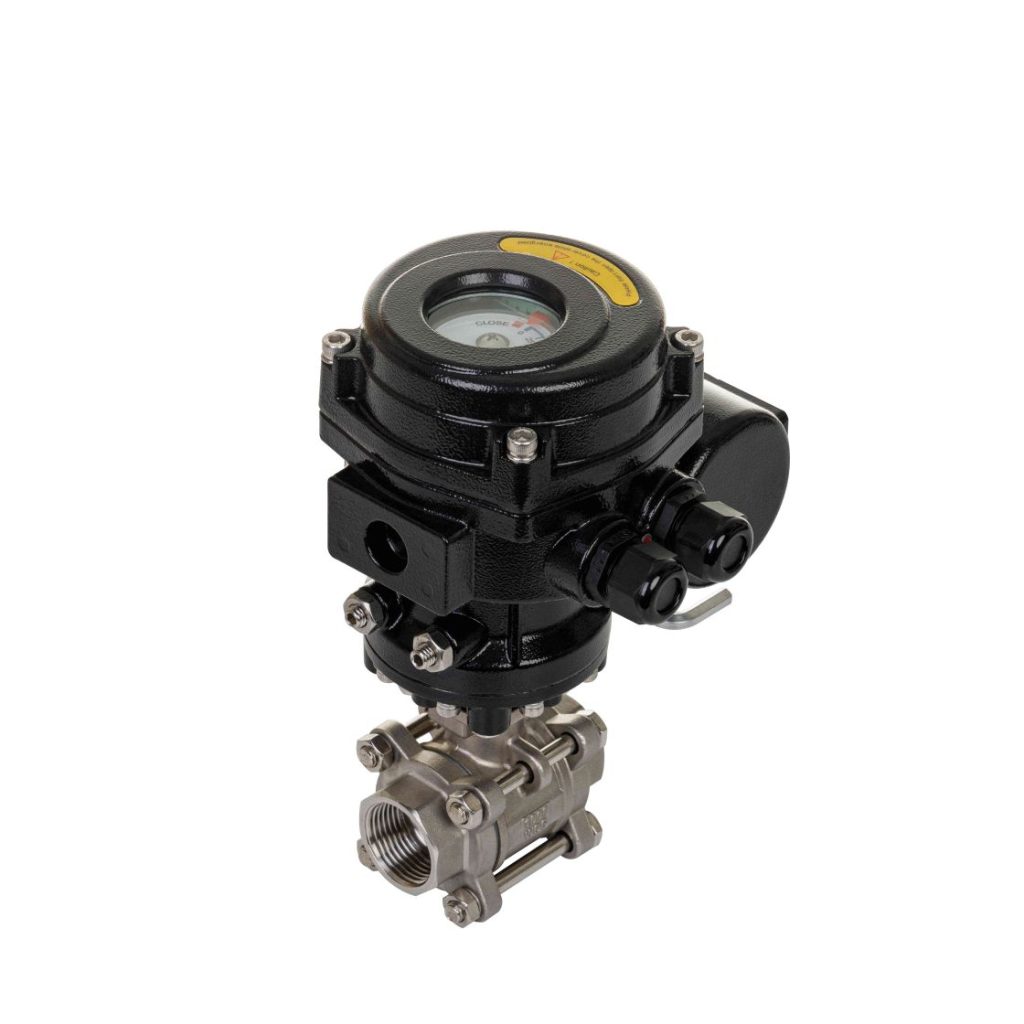
The WCB Electric Screw Ball Valve is an innovative solution in the realm of fluid control, combining the high-performance features of ball valves with the automation capabilities of electric actuators. This combination brings enhanced efficiency and precision to a wide range of applications, particularly in industrial settings such as oil and gas, chemical processing, and water treatment facilities. In this article, we will explore the key aspects of the WCB Electric Screw Ball Valve, highlighting its construction, working principle, advantages, applications, and maintenance considerations.
Construction of WCB Electric Screw Ball Valve
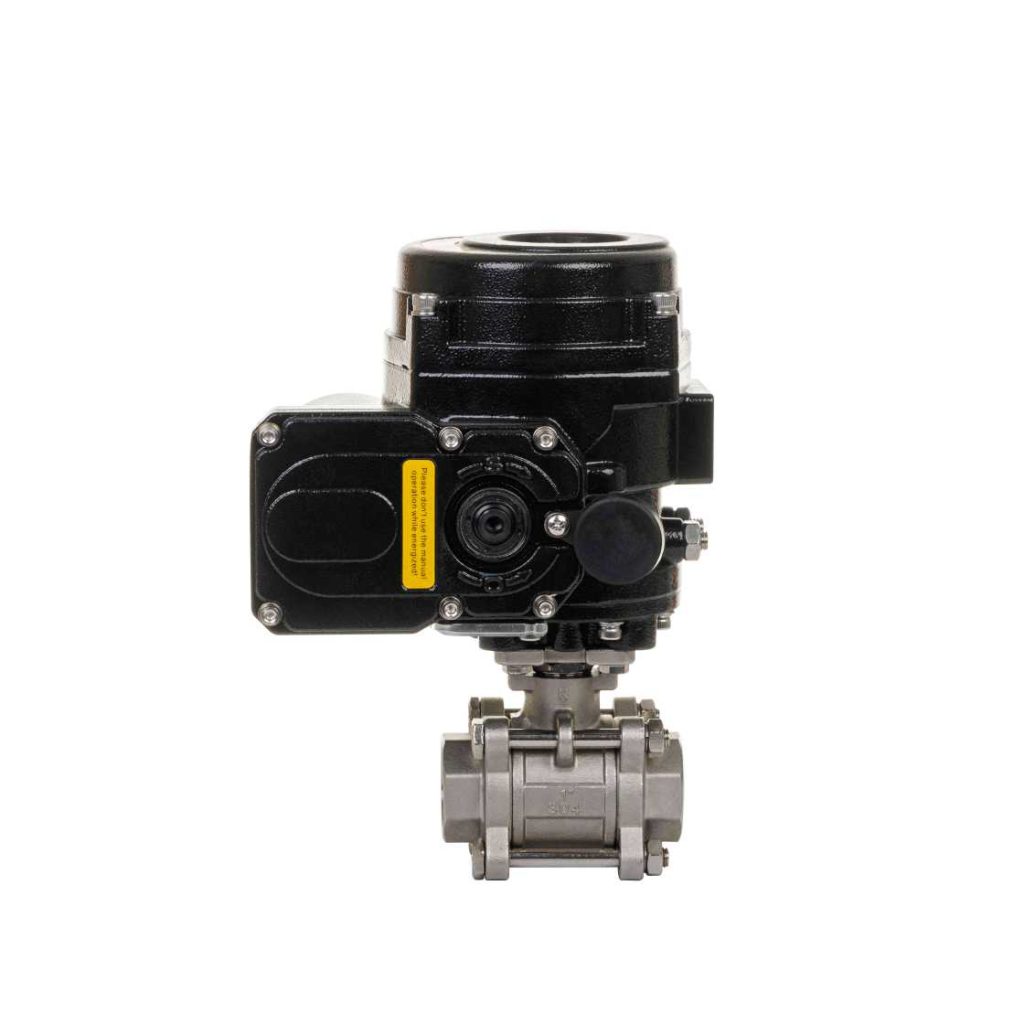
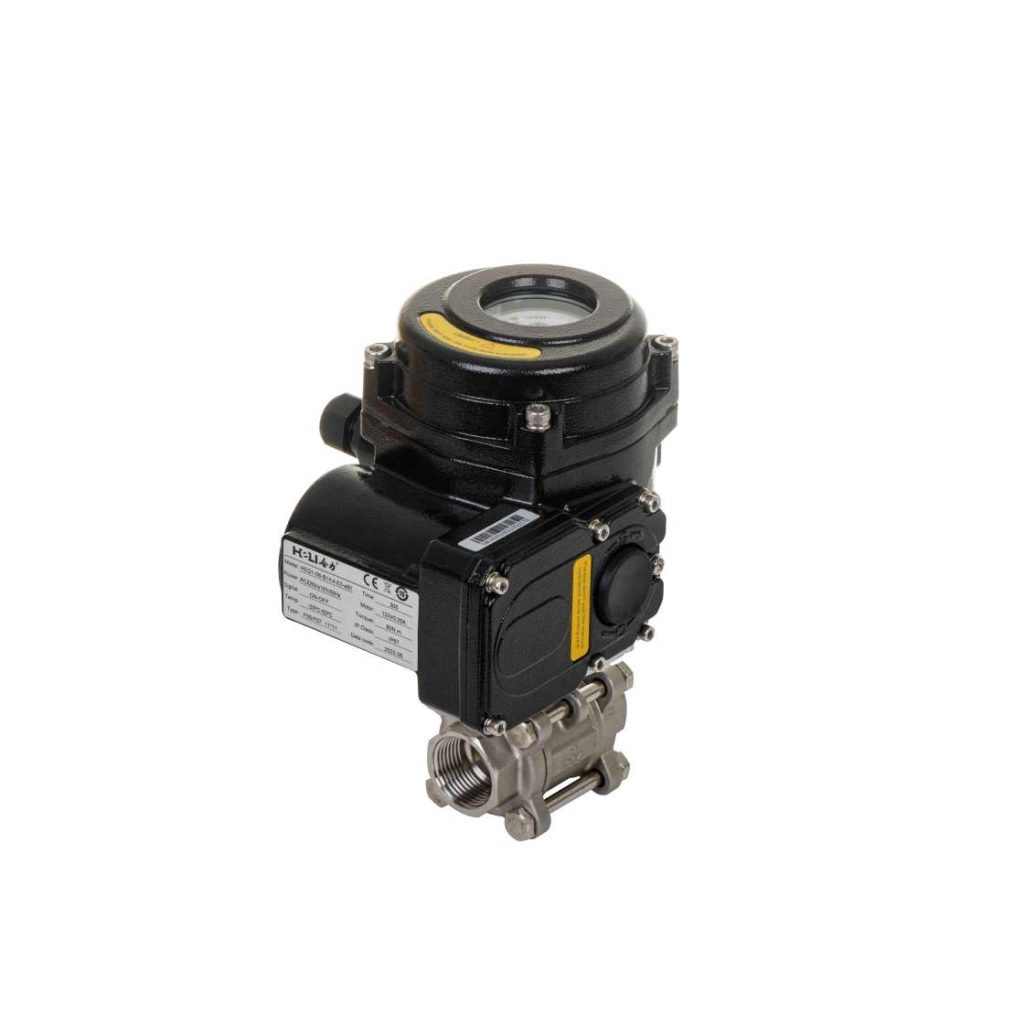
The WCB Electric Screw Ball Valve is primarily made from WCB (forged carbon steel), a material known for its strength and durability. This material is particularly advantageous for applications that involve high-temperature and high-pressure conditions. The valve features a spherical disc, or ball, which is placed within the valve body. When the ball is rotated, it aligns or misaligns the hole in the ball with the flow path, resulting in a fully open or closed valve. The electric actuator is a crucial component of this valve, providing the means to automate the opening and closing actions. By receiving an electrical signal—whether on/off or modulating—the actuator drives a motor that turns the ball within the valve, allowing for precise control of fluid flow.