A Water Solenoid Valve is a critical component used to control the flow of water in various systems. It utilizes electromagnetic power to open and close a valve, enabling precise control over the flow of water. These valves are commonly found in industries, households, and automated systems for controlling water flow in irrigation, plumbing, cooling systems, and more. This article aims to explore the working principle, types, applications, and advantages of the Water Solenoid Valve, emphasizing why it has become an indispensable part of modern automation.
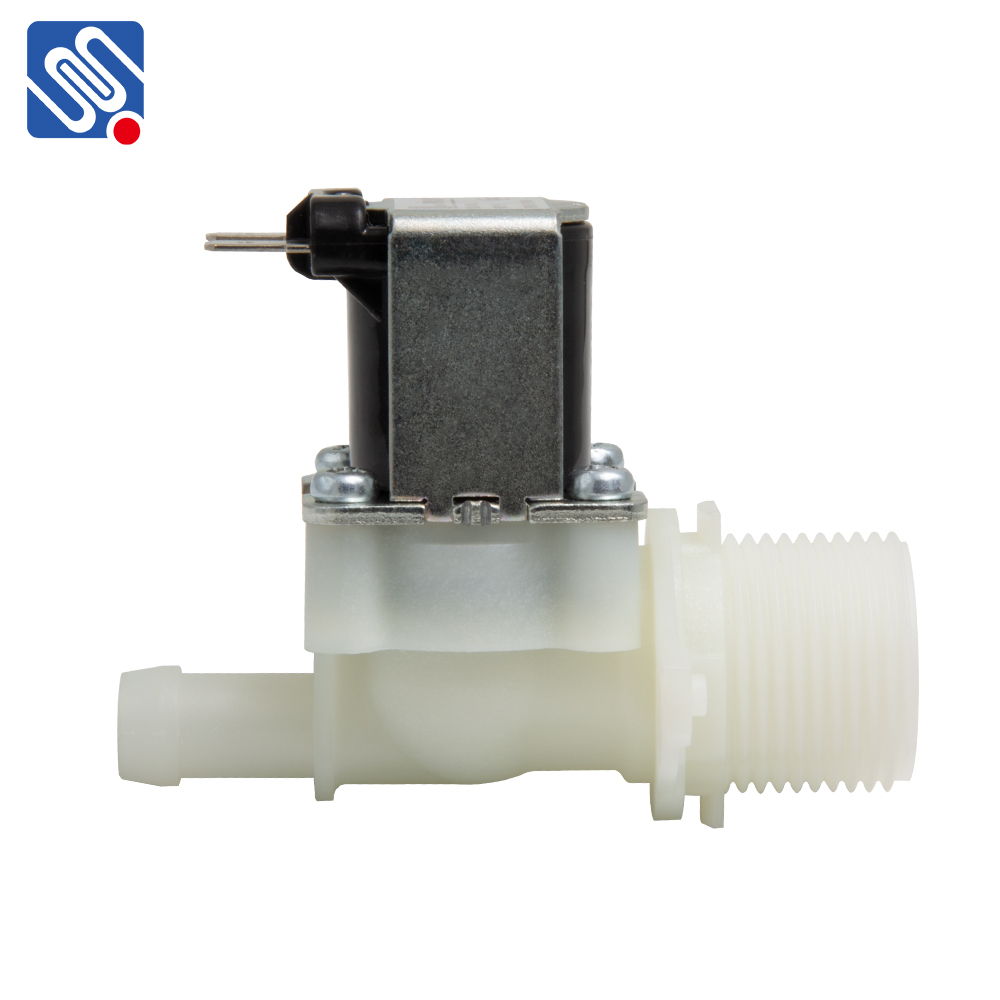
Working Principle of a Water Solenoid Valve The basic operation of a Water Solenoid Valve revolves around electromagnetism. The valve consists of a coil (electromagnetic solenoid), a valve body, and a plunger. When an electric current is applied to the coil, it generates a magnetic field that pulls the plunger, opening the valve. This allows water to flow through the valve. Once the power is turned off, the magnetic field collapses, and a spring mechanism closes the valve, stopping the water flow. There are generally two types of water solenoid valves based on their operational states: Normally Closed (NC) and Normally Open (NO). In a Normally Closed valve, the default state is that the valve remains closed, and it only opens when electricity flows through the solenoid. In a Normally Open valve, the valve remains open by default and closes when the solenoid is activated. These types allow for precise control depending on the desired flow pattern.