The Water Solenoid Valve is an essential component in various systems where the regulation of water flow is crucial. This electromechanical device provides precise control over the water supply in applications ranging from irrigation systems to industrial machinery. With its ability to control the on/off state of the water flow using electrical signals, the water solenoid valve has become a cornerstone of automated systems in diverse fields. In this article, we will explore the functionality, key applications, and benefits of water solenoid valves, as well as considerations for their use.
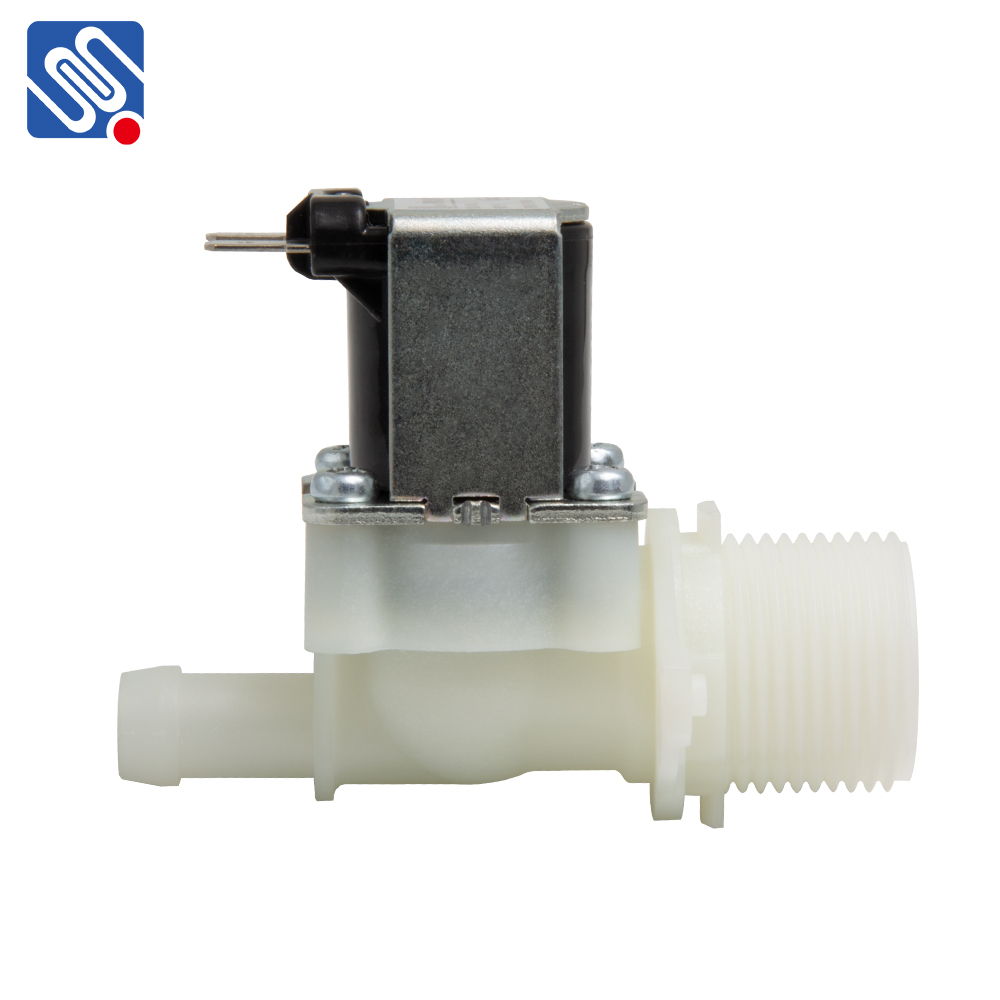
Functionality of Water Solenoid Valves At the heart of a water solenoid valve is its solenoid—an electromagnetic coil that, when energized, generates a magnetic field. This magnetic field moves a plunger or diaphragm within the valve, opening or closing the valve and allowing water to either flow or be shut off. This electromechanical action is controlled by an electrical current supplied to the solenoid, which can be activated or deactivated using a timer, pressure switch, or remote control. The solenoid valve operates in a simple on/off manner, although more advanced models can be designed for modulating flow to specific levels. Typically, solenoid valves are designed to work with specific voltages (AC or DC) and can handle a range of water pressures. Depending on the application, these valves may be used for continuous or intermittent operation, with many systems integrating them into automated control networks for efficient operation.