In the realm of electrical engineering, the demand for efficient, reliable, and rapid switching devices has led to significant advancements. Among these innovations, the Solid-State High Voltage Relay (SSHV Relay) has emerged as a pivotal component for controlling high voltage circuits. This article delves into the principles, advantages, applications, and considerations associated with Solid-State HV Relays, showcasing why they are an excellent choice for modern electrical systems.
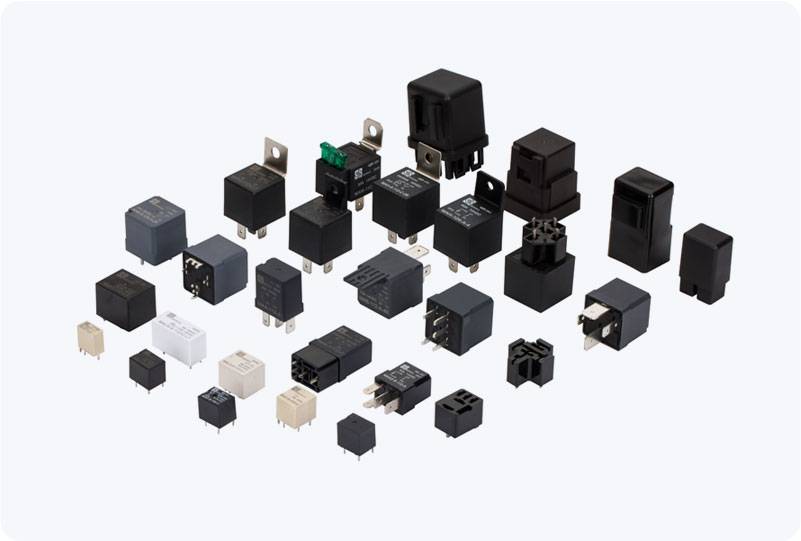
Fundamental Principles At its core, a Solid-State HV Relay operates on the principle of semiconductor technology. Unlike traditional electromechanical relays, which rely on physical movement of contacts to open or close a circuit, SSHV Relays utilize solid-state components such as transistors and opto-isolators. This design enables the relay to switch operations almost instantaneously, reacting in microseconds as opposed to milliseconds typical in mechanical relays. The operation begins with a low-voltage control signal, which activates an internal light-emitting diode (LED). This action triggers a photosensitive device—often a phototransistor—inside the relay, allowing a high-voltage circuit to be linked or disconnected. Notably, this intrinsic optical isolation between the control and power circuits enhances safety, minimizing the risk of accidental shocks or damage to sensitive control systems.