The SO 280 relay socket is an essential electrical component widely used in industrial automation systems, electrical installations, and control equipment. This article will explore the significance, features, applications, and benefits of the SO 280 relay socket, as well as its role in ensuring the safety and reliability of automated processes.
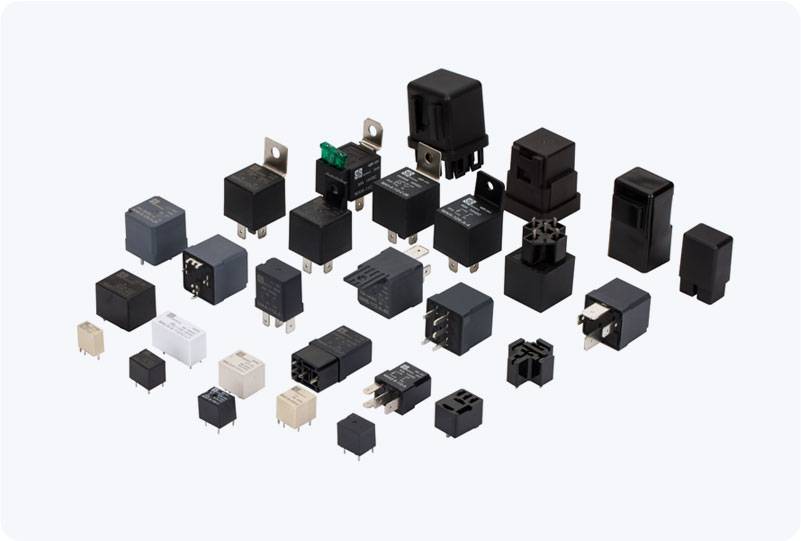
What is the SO 280 Relay Socket? A relay socket is a device that serves as a base for mounting and connecting electrical relays in various systems. The SO 280 relay socket is a standardized socket designed to hold and connect relays, facilitating quick installation and easy replacement of relays in industrial settings. It is a crucial component in systems where relays play a central role in controlling electrical circuits, such as in motor control, automated machinery, and alarm systems. The “SO” designation refers to the type of relay socket, while “280” typically corresponds to the dimensions or size of the socket. The SO 280 relay socket is specifically designed to accommodate various types of industrial control relays and is often used in situations requiring high operational flexibility and reliability.