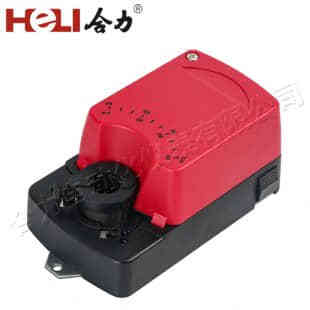
Damper actuators are essential components in modern HVAC (Heating, Ventilation, and Air Conditioning) systems. These devices are responsible for controlling the airflow within ventilation ducts by regulating the position of dampers, which are mechanical devices used to modulate the air passage. This control ensures that air is distributed efficiently across the building or facility, optimizing comfort, energy consumption, and air quality. The importance of damper actuators extends across commercial, residential, and industrial sectors, where proper airflow control is crucial for maintaining optimal indoor environments.
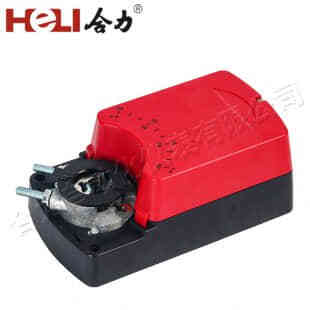
What is a Damper Actuator?
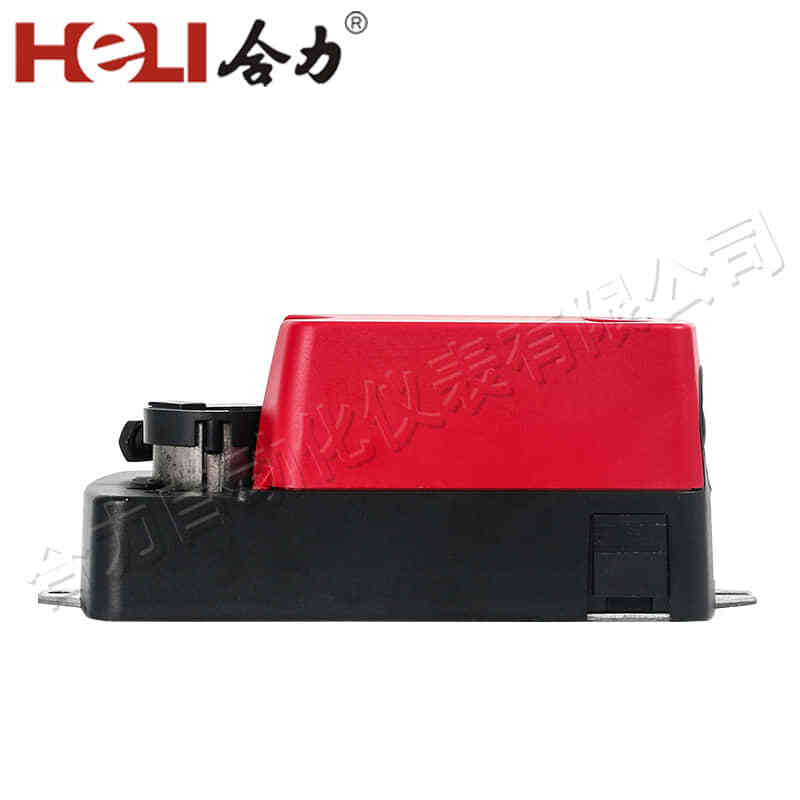
A damper actuator is a mechanical device that drives the damper mechanism in a ventilation or ductwork system. The actuator controls the movement of the damper, allowing it to open or close depending on the requirements of the HVAC system. The damper itself is a movable plate or set of plates that can either block or allow the flow of air. Damper actuators can be powered by electric motors, pneumatic pressure, or hydraulic forces, and they are typically controlled through signals from a central thermostat or building management system (BMS). The actuator’s role is to adjust the damper position in real-time, either to maintain a consistent airflow rate or to respond to changes in temperature or pressure within the system. By doing so, they help ensure that the HVAC system operates efficiently, reducing energy consumption while maintaining desired comfort levels.