As we transition into a world driven by advanced telecommunications, the advent of 5G technology marks a significant transformation in how we communicate and interact. One of the pivotal components of this transformation is the 5G base station relay. This technology not only enhances the capacity and coverage of wireless networks but also plays a critical role in addressing the challenges posed by rising data demands and improving overall network performance.
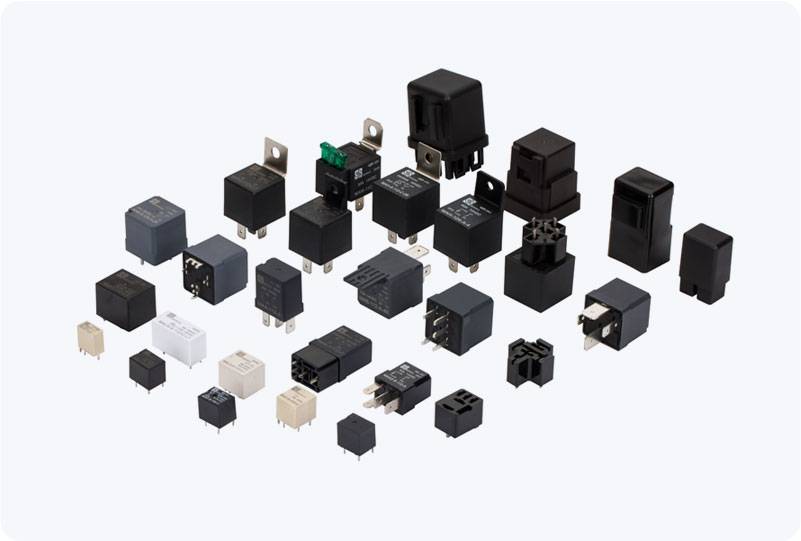
What is a 5G Base Station Relay? A 5G base station relay is a wireless device that acts as a link between the primary base station and user equipment (UE), such as smartphones, tablets, or other IoT (Internet of Things) devices. Its primary function is to receive signals from the main base station and retransmit them to users located in areas where direct connectivity might be weak or entirely absent. By extending the effective coverage of the network, these relays facilitate a more robust communication environment. Key Functions of 5G Base Station Relays Enhancing Network Coverage: One of the most significant advantages of deploying 5G base station relays is the improvement in coverage. These relays can be strategically placed in urban environments, rural areas, and challenging terrains where signals are commonly obstructed. This capability is crucial in providing reliable connectivity in locations that require enhanced service, such as mountainous regions or densely populated urban centers.