A Building Water Supply Solenoid Valve is an essential component in modern water supply systems, offering an efficient and automated solution for regulating water flow. This device, which operates using electrical control, is increasingly being incorporated in various water management applications, such as residential, commercial, and industrial buildings. Its ability to open and close automatically makes it crucial for improving the convenience, safety, and efficiency of water supply systems. In this article, we will explore the working principle, applications, advantages, and maintenance considerations of Building Water Supply Solenoid Valves.
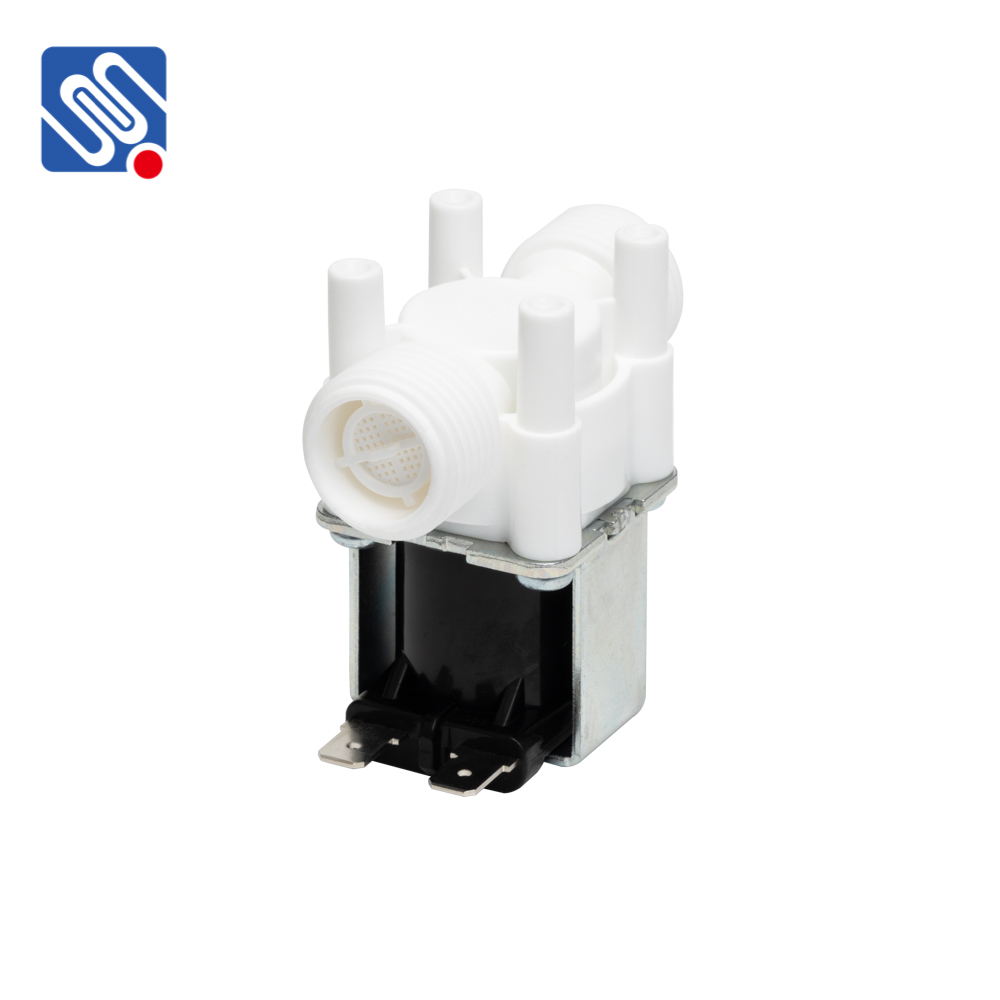
What is a Building Water Supply Solenoid Valve? A solenoid valve is an electromechanical device that controls the flow of water within a pipe or plumbing system. The valve operates using an electromagnetic coil, which, when energized, creates a magnetic field that moves the valve’s plunger or diaphragm, thereby opening or closing the valve. The term “solenoid” refers to the coil that generates the magnetic field. These valves are often used in water supply systems to automate the control of water flow, whether for regulating the entire building’s supply or directing water to specific fixtures or areas.