The Reverse Osmosis Solenoid Valve plays a critical role in modern water filtration systems, especially in reverse osmosis (RO) systems that are widely used for purifying water. This small yet highly efficient component ensures the smooth operation of these systems, regulating water flow based on the system’s needs. In this article, we’ll explore what reverse osmosis solenoid valves are, how they work, and their importance in RO systems.
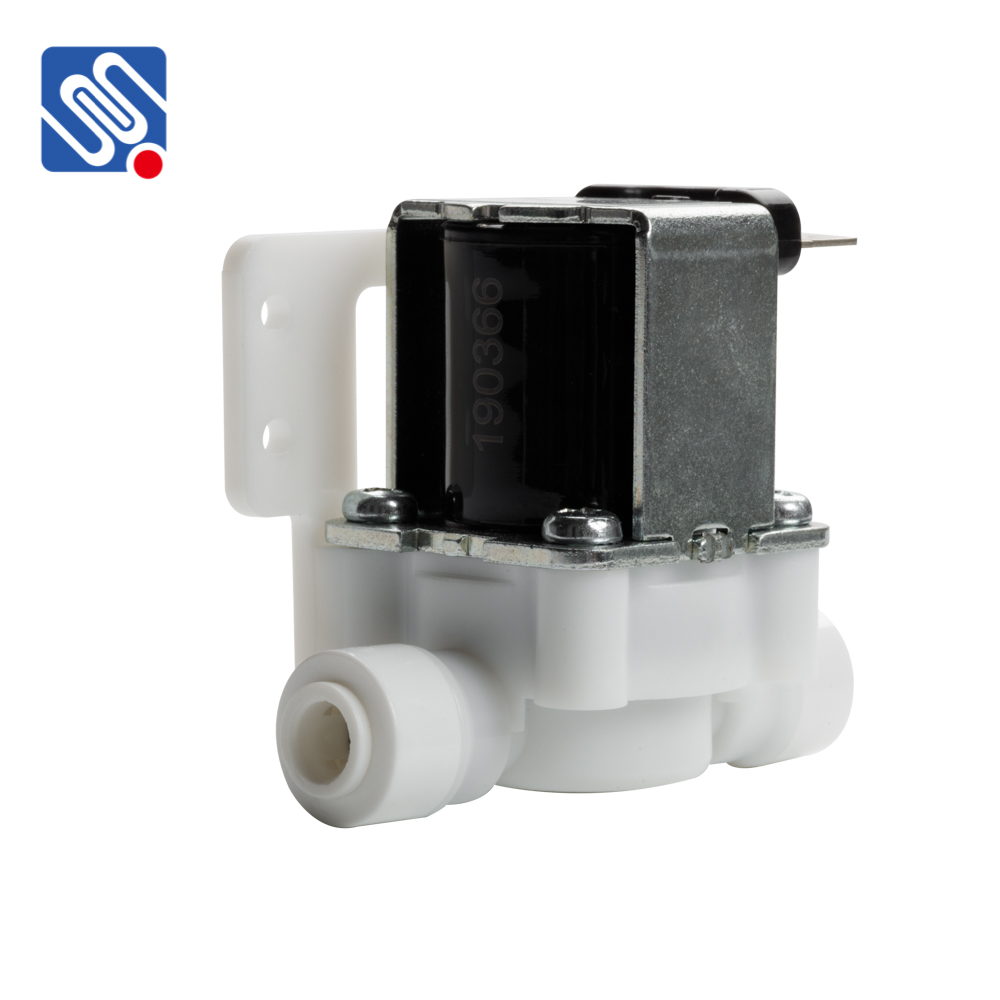
What is a Reverse Osmosis Solenoid Valve? A Reverse Osmosis Solenoid Valve is an electromechanical valve that controls the flow of water into a reverse osmosis filtration system. It is typically placed in the water supply line before the RO membrane to control the water flow that enters the system. The valve is powered by an electric current, which operates the solenoid – an electromagnet – to open or close the valve. When the solenoid is energized, it pulls the valve open, allowing water to flow through the system. When the power is turned off, the valve closes, stopping the flow of water.