A Switch relay is an essential component in modern electronics, providing a crucial function of controlling high-power devices using low-power signals. By acting as an electrically operated switch, a relay allows for the automation of various electrical processes and is commonly used in numerous industries, including automotive, industrial control systems, telecommunications, and home appliances. This article delves into the structure, working principle, types, and applications of switch relays, providing an in-depth understanding of their significance in today’s technological world.
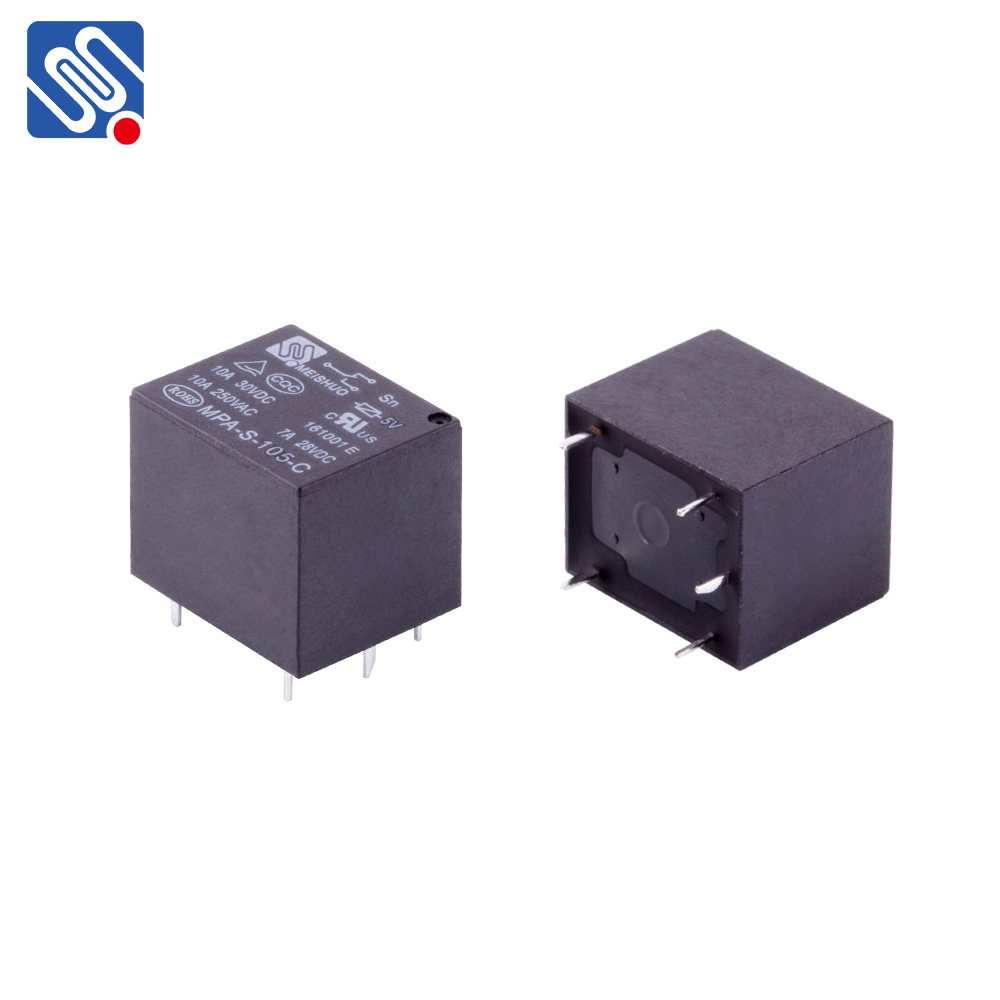
What is a Switch Relay? A switch relay is an electrical device that allows a control signal to open or close electrical circuits, enabling a simple mechanism to control more complex systems. At its core, the relay consists of an electromagnet that, when energized, either attracts or repels a switch or contact mechanism, thus opening or closing the circuit. This makes it possible to control high-voltage systems with low-voltage signals, which is particularly useful in environments where safety and efficiency are paramount. How Does a Switch Relay Work? The working principle of a switch relay is relatively straightforward. When an electrical current flows through the coil (electromagnet), it creates a magnetic field that pulls a set of contacts together or separates them, depending on the design of the relay. This action changes the state of the connected circuit – either completing it (closed) or interrupting it (open).