The PVC solenoid valve is a vital component in various fluid control applications, renowned for its affordability, lightweight nature, and robust performance against corrosion. As industries increasingly adopt automation, the importance of reliable fluid control mechanisms like PVC solenoid valves cannot be overstated. In this article, we will delve into the features, operational principles, advantages, disadvantages, and applications of PVC solenoid valves.
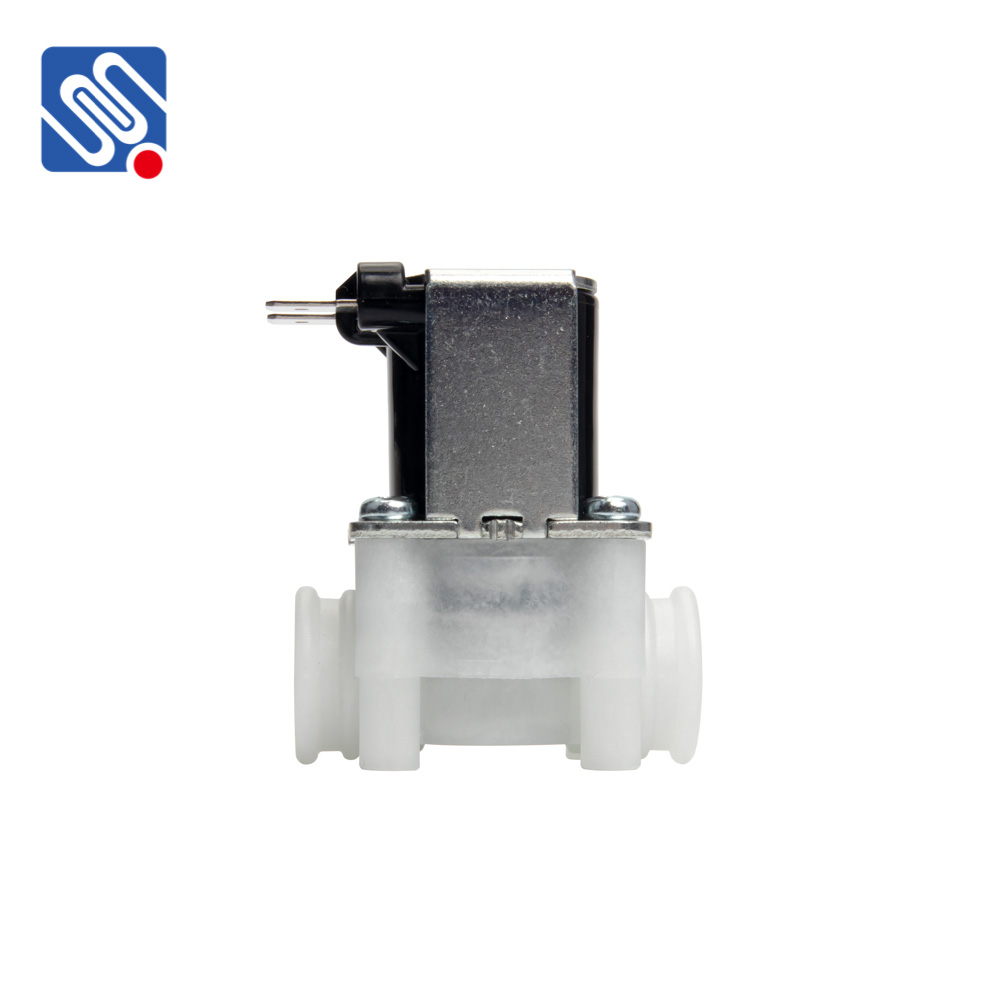
What is a PVC Solenoid Valve? A PVC solenoid valve is an electromechanical device that controls fluid flow through pipes using electrical energy. The valve comprises a PVC body and a solenoid, which is an electrical coil that generates a magnetic field when electric current is applied. This magnetic field either opens or closes the valve, allowing or preventing the flow of liquids or gases. How Does a PVC Solenoid Valve Work? The working principle of a PVC solenoid valve revolves around electromagnetism. When electrical current flows through the solenoid coil, it creates a magnetic field that attracts a movable plunger or armature within the valve. This action either opens or closes the valve seat.