In modern industrial processes, valves play a crucial role in regulating the flow of liquids and gases within various systems. Among these, the PP Solenoid Valve has gained significant popularity due to its durability, cost-effectiveness, and superior performance, particularly in industries that deal with corrosive substances or high temperatures. This article delves into the PP Solenoid Valve’s features, applications, and advantages, making it an essential component in various industrial settings.
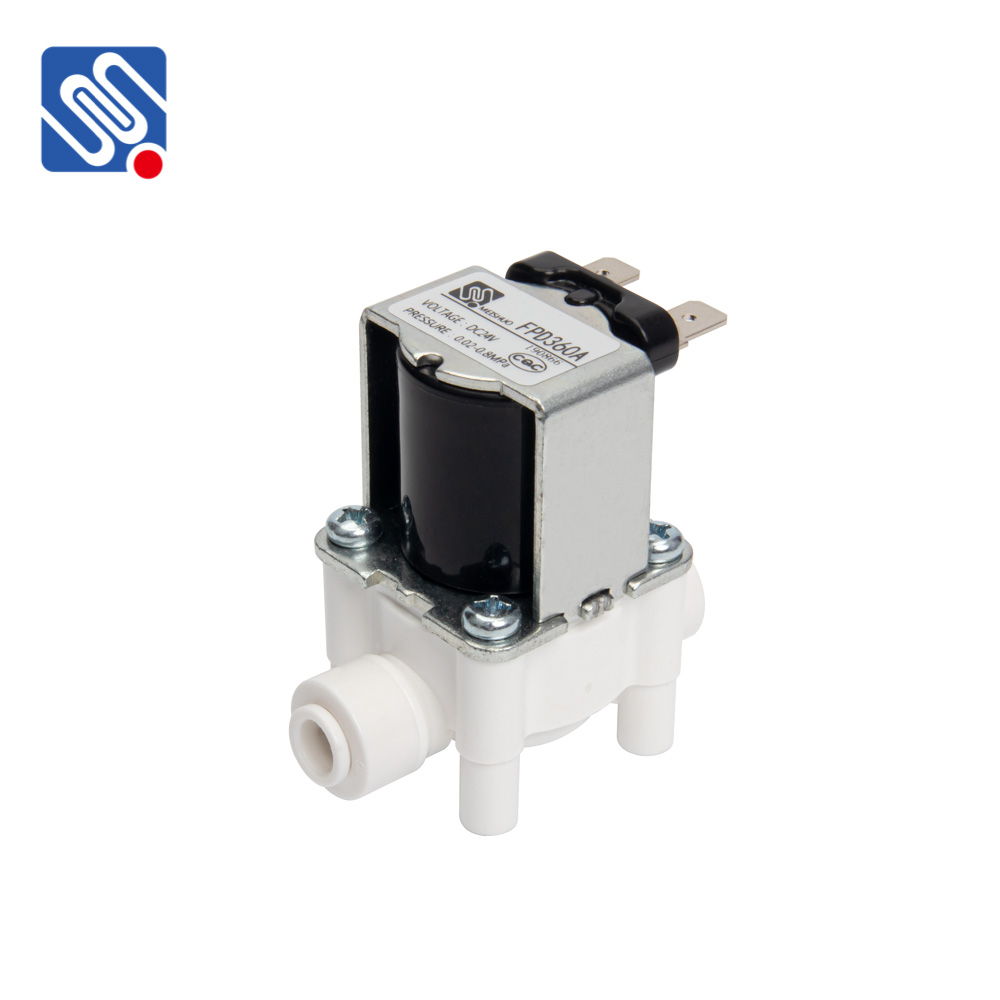
What is a PP Solenoid Valve? A PP Solenoid Valve is a type of electrically operated valve made from Polypropylene (PP), a thermoplastic polymer known for its excellent resistance to chemicals and corrosion. These valves are typically used in systems where precise flow control of liquids or gases is required. The valve operates by using an electromagnetic coil, which, when energized, either opens or closes the valve to control the flow of fluid through pipes or other channels. The solenoid valve mechanism works by using an electrical current to create a magnetic field that activates the valve’s plunger or diaphragm, either allowing or blocking the fluid flow. This functionality makes PP solenoid valves ideal for automated processes that require quick and reliable control.