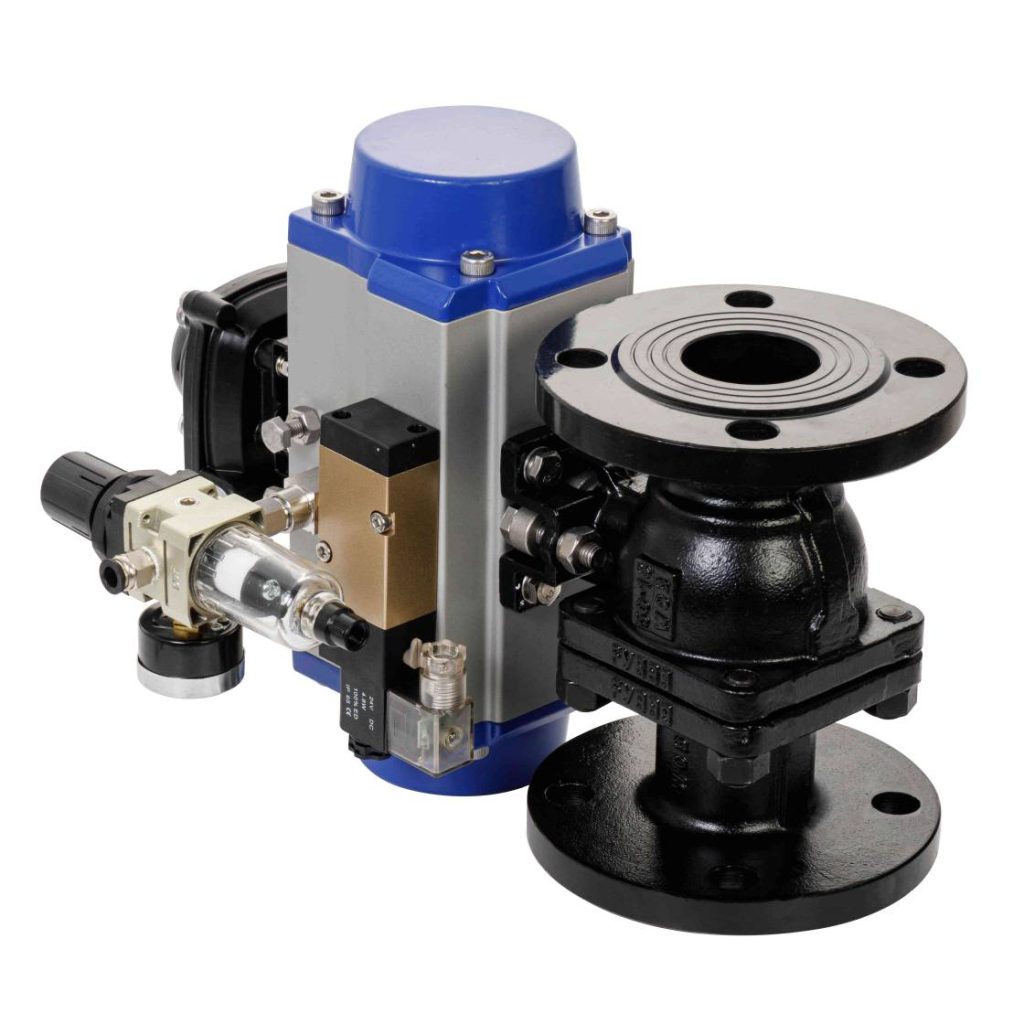
Pneumatic ball valves are critical components in modern industrial systems that involve fluid and gas control. These valves are widely used across various industries such as oil and gas, chemical, water treatment, and food processing, among others. As automation continues to grow in importance, the role of pneumatic ball valves has become more prominent. This article will explore the mechanics, key features, applications, and benefits of pneumatic ball valves, offering a comprehensive understanding of this essential valve type.
What is a Pneumatic Ball Valve?
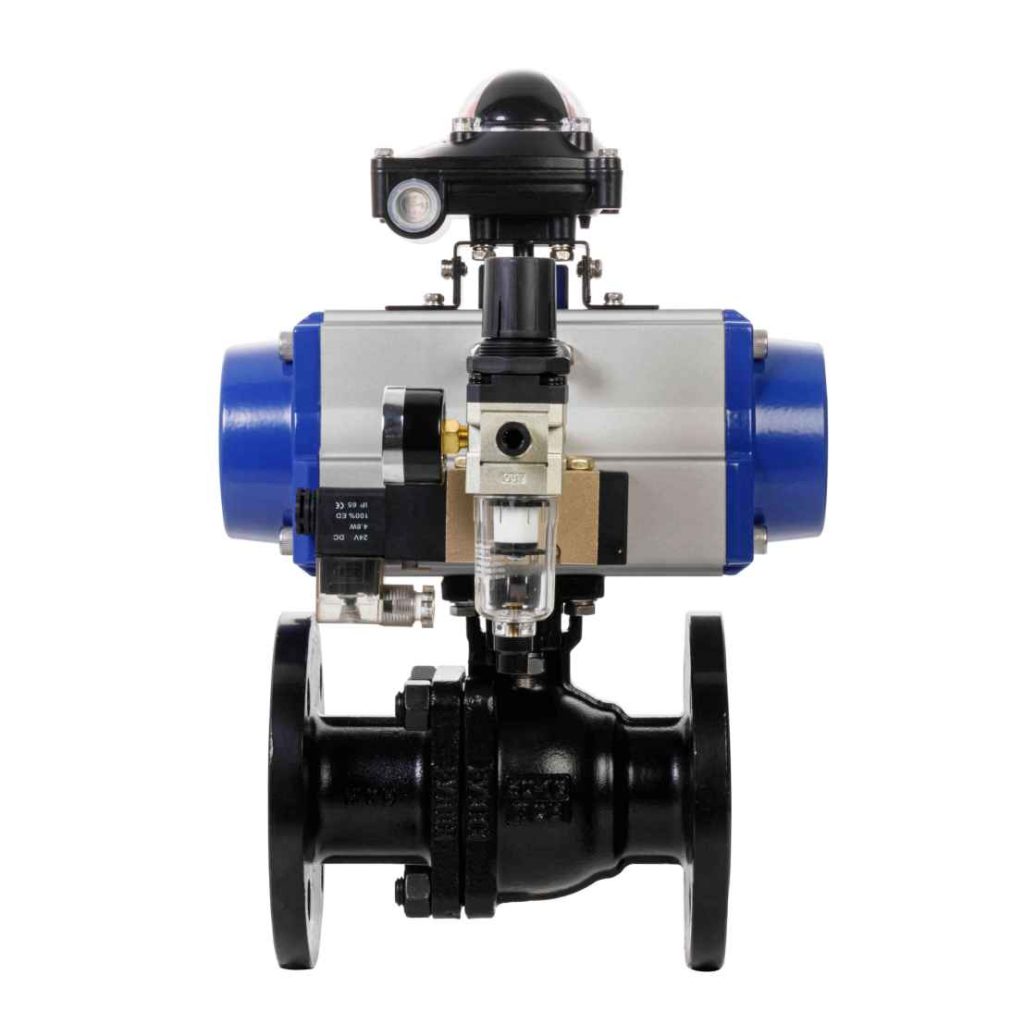
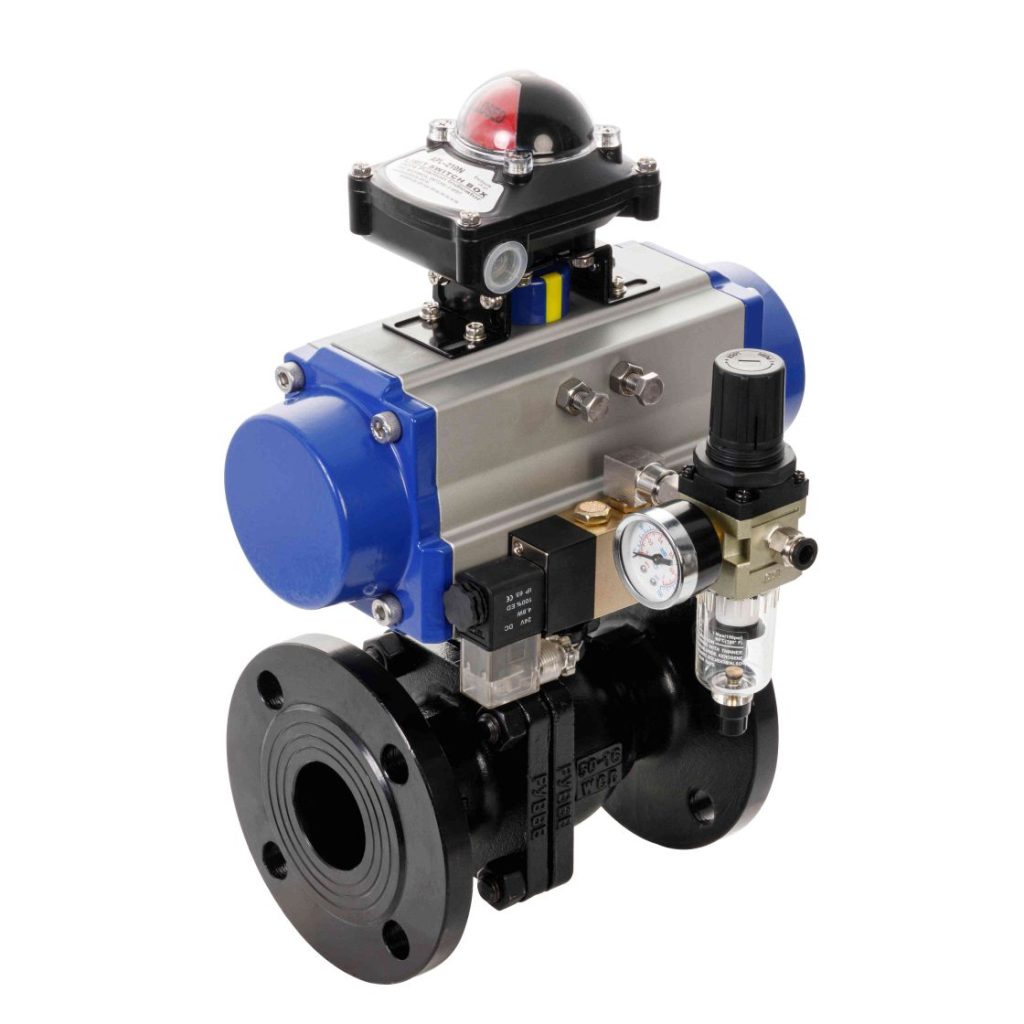
A pneumatic ball valve is a type of valve that uses compressed air (pneumatic energy) to open or close the valve, regulating the flow of fluids or gases through pipelines. It consists of a spherical ball with a hole in the center, mounted within the valve body. The ball rotates when actuated by a pneumatic actuator, which either aligns the hole with the flow path (open position) or turns it perpendicular to the flow (closed position). This mechanism makes pneumatic ball valves highly effective for fast and reliable on/off control. The actuator in a pneumatic ball valve typically consists of a cylinder that uses compressed air to move the valve’s ball in a quarter-turn motion. This enables rapid switching between the open and closed positions. Depending on the design, the valve can be powered by either single-acting or double-acting actuators, with the latter allowing for more complex control and faster operation.