In the modern world of electronics, the Optocoupler Protected Relay Module has become an essential component in various applications, from industrial automation systems to home appliance control. This versatile module provides a reliable means of achieving electrical isolation and safely controlling high-voltage devices using low-voltage signals. In this article, we will delve into the components, functionalities, applications, and benefits of the Optocoupler Protected Relay Module, highlighting its significance in today’s electronic landscape.
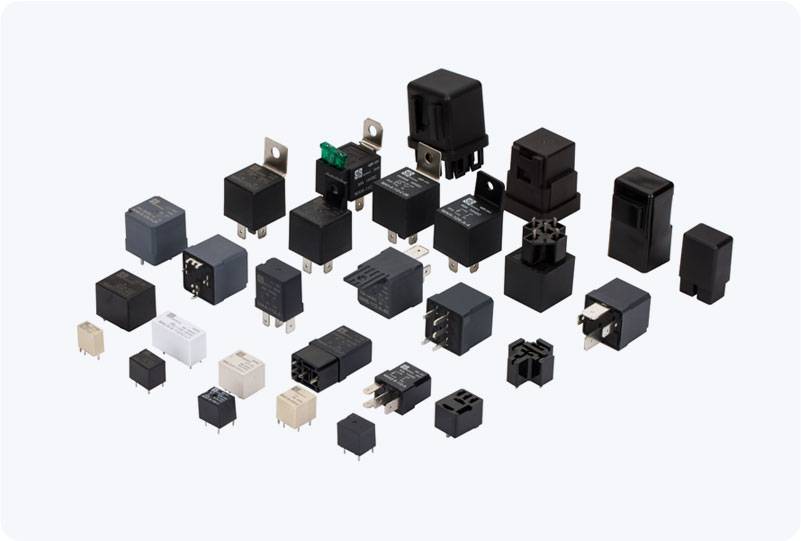
Components of the Optocoupler Protected Relay Module The Optocoupler Protected Relay Module primarily consists of three key components: an optocoupler, a relay, and a protective circuit. Optocoupler: The optocoupler is the hallmark of this module, providing electrical isolation between the control circuit and the load. It typically consists of an LED and a photodetector (like a phototransistor). When the LED is activated by the control signal, it emits light that activates the photodetector, allowing current to flow through the load circuit without a direct electrical connection. This isolation prevents high voltage spikes from affecting sensitive control electronics.