A Normally Open Solenoid Valve is a crucial component in many industrial and residential automation systems, especially in fluid and gas control applications. The basic function of this valve is to regulate the flow of fluids or gases through pipelines by using an electric current to control its operation. Understanding its structure, working principle, and real-world applications can help engineers and designers choose the right valve for specific systems.
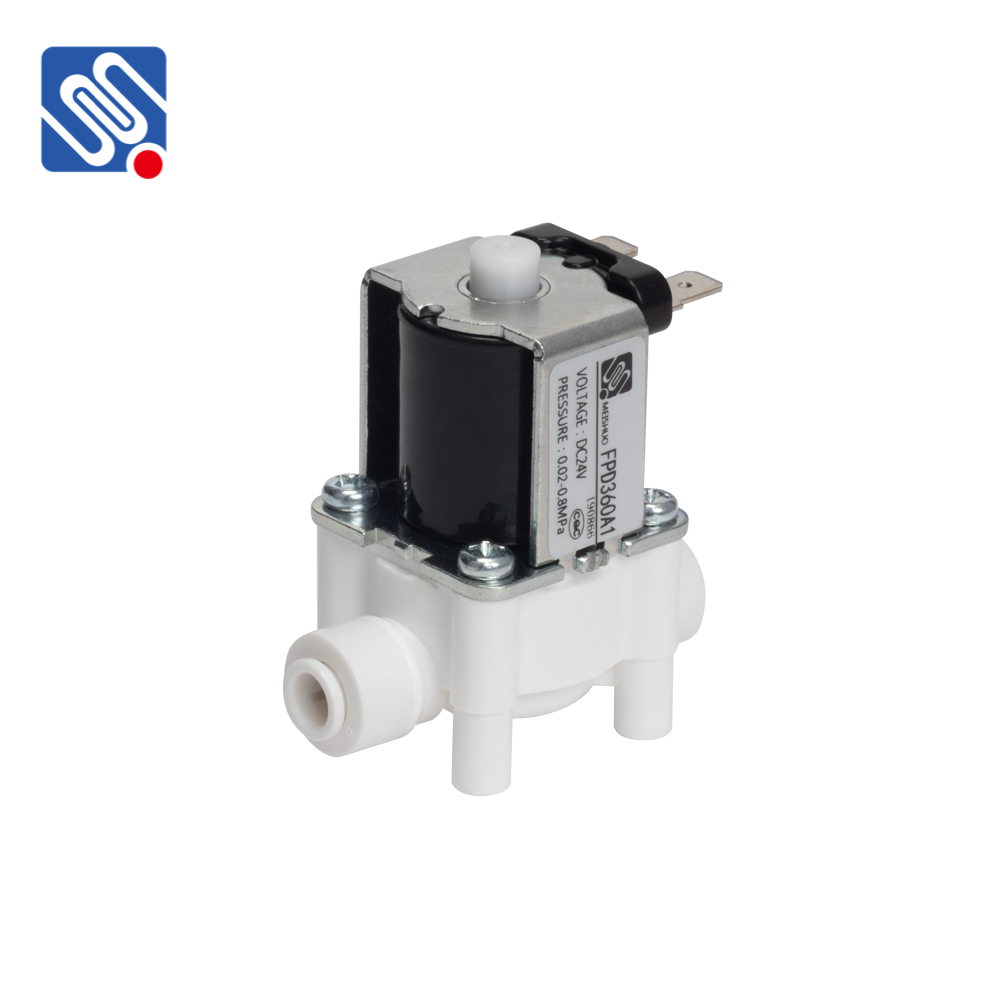
What is a Normally Open Solenoid Valve? A solenoid valve is an electromechanical device that controls the flow of liquids or gases in a system. The term “normally open” refers to the valve’s default position when it is not powered. In this state, the valve is open, allowing the passage of fluid. When an electrical current is applied to the solenoid (the electromagnetic coil), it generates a magnetic field that moves the valve’s internal mechanism (usually a plunger or armature), which closes the valve and stops the flow. In contrast to normally closed solenoid valves, which are designed to remain shut when no current is applied, normally open solenoid valves are ideal for applications where a continuous flow of fluid is required until an external signal or condition triggers the closing mechanism.