The Motor Starter Relay is an essential component in industrial and residential electrical systems, particularly when it comes to controlling the operation of electric motors. This device plays a pivotal role in ensuring that motors start and stop properly while safeguarding them against electrical faults such as overloads and short circuits. Understanding how a Motor Starter Relay works and its applications is vital for anyone involved in electrical systems or motor maintenance.
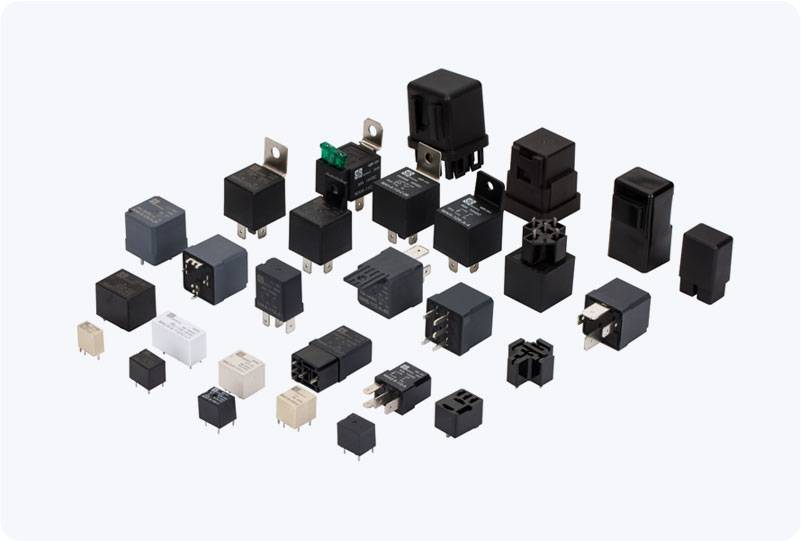
What is a Motor Starter Relay? A Motor Starter Relay is an electromagnetic switch used in motor control circuits. It is designed to control the flow of electrical power to the motor. This relay works in conjunction with other motor starter components, such as contactors and overload relays, to manage the starting and stopping of electric motors. It can detect and respond to electrical conditions such as high current or overvoltage, and in such cases, it will disconnect the motor to prevent damage. Function of a Motor Starter Relay The primary function of the Motor Starter Relay is to manage the electric motor’s start-up and shut-down sequence. Upon receiving a signal, it activates the motor, allowing electrical current to flow through the motor windings, enabling it to turn on. When the relay receives a signal to stop, it disconnects the electrical flow, halting the motor’s operation.