In the world of industrial automation and fluid control, the Mini Solenoid Valve has emerged as an essential component for many applications. These small yet powerful devices play a vital role in controlling the flow of fluids like air, gas, steam, and liquids. Despite their compact size, they offer impressive performance, making them ideal for situations where space is limited, yet precise control is necessary. This article will explore the functionality, benefits, and applications of Mini Solenoid Valves, helping to provide a comprehensive understanding of this versatile tool.
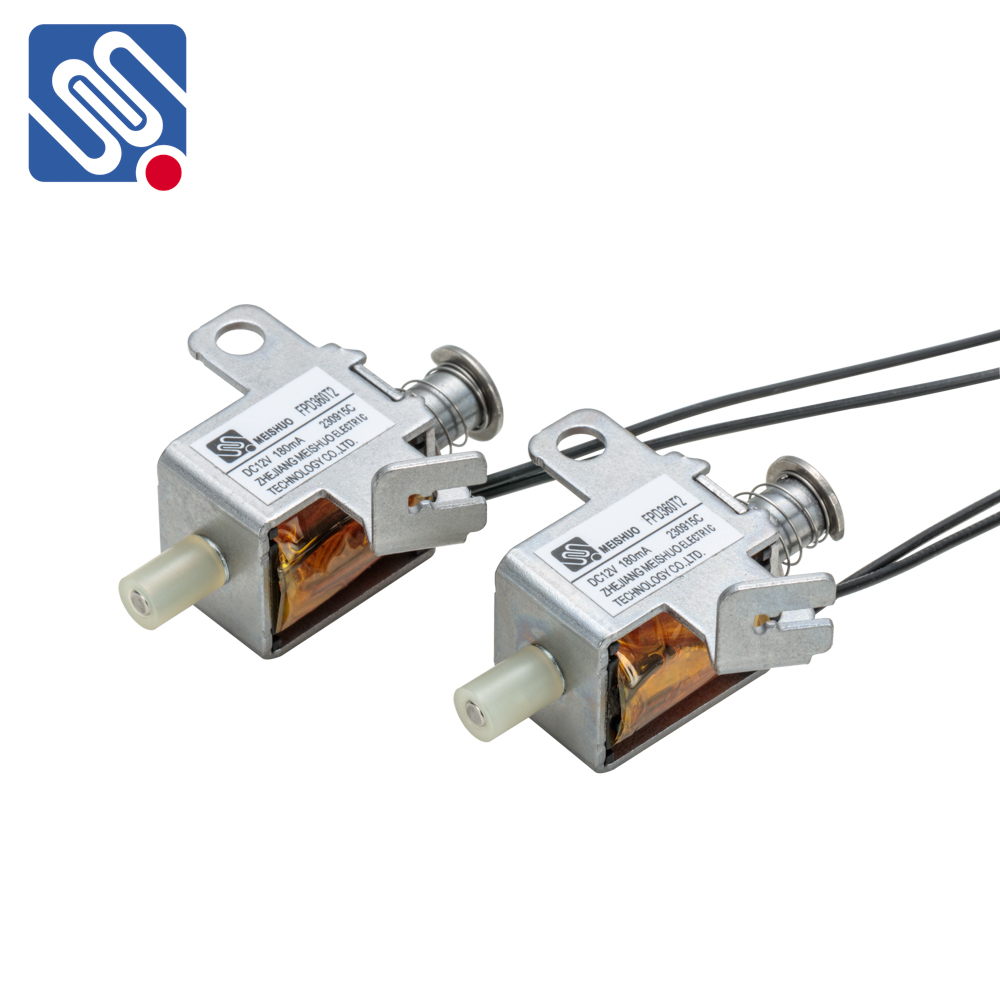
What is a Mini Solenoid Valve? A Mini Solenoid Valve is a type of electromechanical valve used to control the flow of fluids within a system. It operates using an electromagnetic coil that, when energized, produces a magnetic field to move a plunger or valve core, thereby opening or closing the valve. When the electrical signal is removed, the valve returns to its initial state, either open or closed, depending on the design. These valves are small in size but pack a punch when it comes to precision, speed, and reliability. Working Principle of a Mini Solenoid Valve The principle behind a Mini Solenoid Valve is relatively simple. When electrical current passes through the solenoid coil, a magnetic field is generated. This magnetic field moves a ferromagnetic plunger or armature, opening or closing the valve. The process happens extremely quickly, often in milliseconds, allowing for real-time adjustments to fluid flow.