Reverse osmosis (RO) systems have gained popularity over the years for their ability to purify water effectively, making it safe for drinking and various industrial applications. A critical component of these systems is the reverse osmosis solenoid valve, which plays a vital role in regulating water flow and ensuring the efficiency of the entire process. This article will explore the function, benefits, types, and maintenance of reverse osmosis solenoid valves to help you better understand their significance in water treatment.
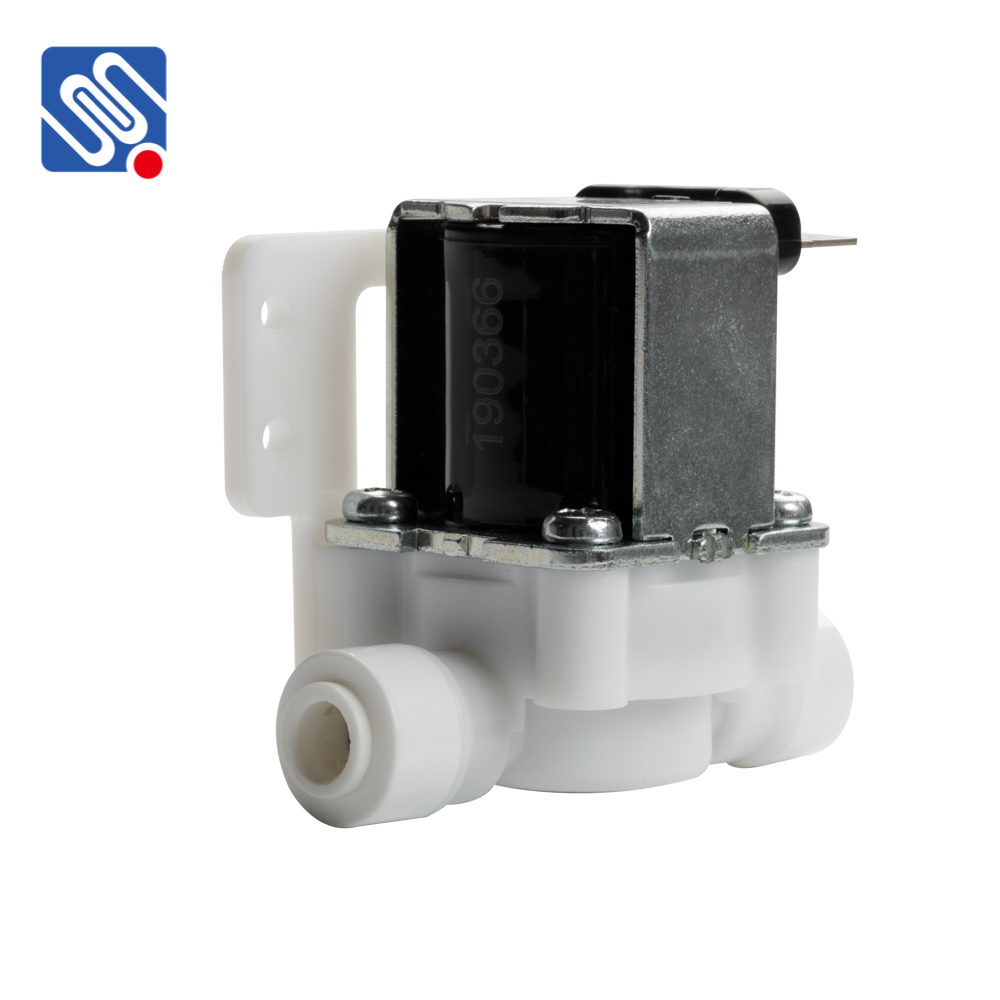
What is a Reverse Osmosis Solenoid Valve? A reverse osmosis solenoid valve is an electromechanical device that controls the flow of water within an RO system. It operates based on an electromagnetic coil that, when energized, either opens or closes the valve to allow or restrict water flow. This automated mechanism enables the system to regulate water intake, prevent backflow, and ensure that the filtration process occurs smoothly. Key Functions of Reverse Osmosis Solenoid Valves Flow Control: The primary function of a solenoid valve in an RO system is to manage the water flow. By opening or closing the valve at specific intervals, the valve ensures that water enters the filtration membranes only when necessary. This control is crucial for maintaining optimal pressure and flow rates throughout the purification process.