In the world of electric vehicles (EVs) and high-voltage electrical systems, ensuring the safety and efficiency of operations is paramount. One of the critical components that contribute to this safety and efficiency is the Precharge Relay. This article will delve into the working principle, applications, and benefits of precharge relays, emphasizing their significance in modern electrical systems.
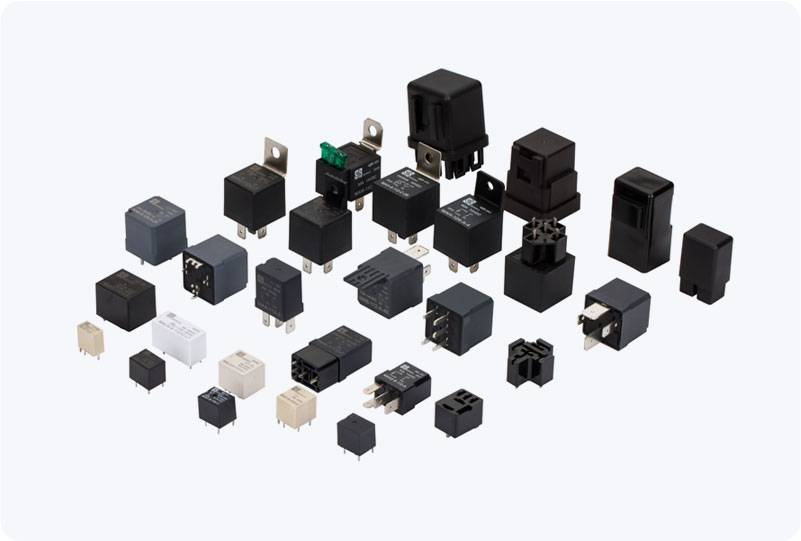
What is a Precharge Relay? A Precharge Relay is an electromechanical device designed to control the charging of capacitors within electric circuits, particularly in high-voltage direct current (DC) systems. Its primary function is to connect a power source to a capacitor before the main contactor engages, allowing the capacitor to charge slowly and preventing high inrush currents that could damage components or cause malfunctions. How Does a Precharge Relay Work? The operation of a precharge relay can be broken down into several steps: Initial Connection: When the system is powered on, the precharge relay connects the power source to the capacitor and other components, allowing for a controlled charging process. This connection typically lasts for a predetermined time, sufficient for the capacitor to charge to a safe voltage level.