In electric vehicles (EVs), efficient and reliable power management is crucial to ensure both safety and longevity of the vehicle’s components. One critical component in the power management system is the Precharge Relay. This small but essential part plays a vital role in protecting high-voltage systems from electrical surges and ensuring a smooth start-up for the EV’s motor controller and other electronic systems. In this article, we will explore the purpose, working principle, and design considerations of Precharge Relays in electric vehicles.
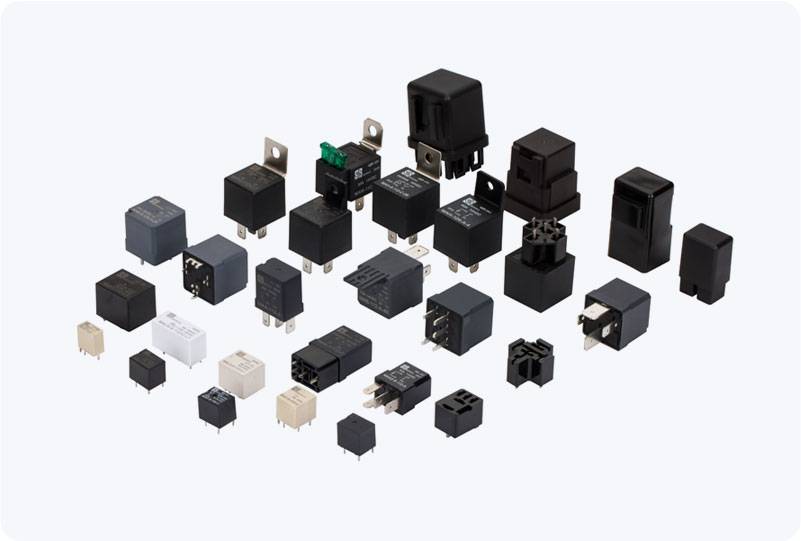
What is a Precharge Relay? A Precharge Relay is a type of relay used in electric vehicles to control the initial charging of capacitors in high-voltage circuits, particularly those connected to the vehicle’s motor controller and inverter. When the vehicle is powered on, the Precharge Relay is activated to gradually charge the DC link capacitors (high-voltage capacitors) to a voltage level close to that of the battery before the main power contactor closes. This gradual charging prevents a sudden surge of current, known as inrush current, which could otherwise cause damage to sensitive components in the system, such as the capacitors, relays, and wiring. By controlling this inrush current, the Precharge Relay ensures the safe operation of the vehicle’s electrical system.