In recent years, electric vehicles (EVs) have seen tremendous growth, driven by advancements in battery technology, environmental awareness, and government incentives. At the core of these innovations, efficient and reliable electrical components play a crucial role. One such component that has proven indispensable in electric vehicle systems is the Panasonic EV Relay. This high-performance relay is designed to ensure safe and efficient operation of EVs, particularly when managing high-voltage and high-current systems. In this article, we explore the role of Panasonic EV Relay in electric vehicles and how it contributes to the performance and safety of these cutting-edge machines.
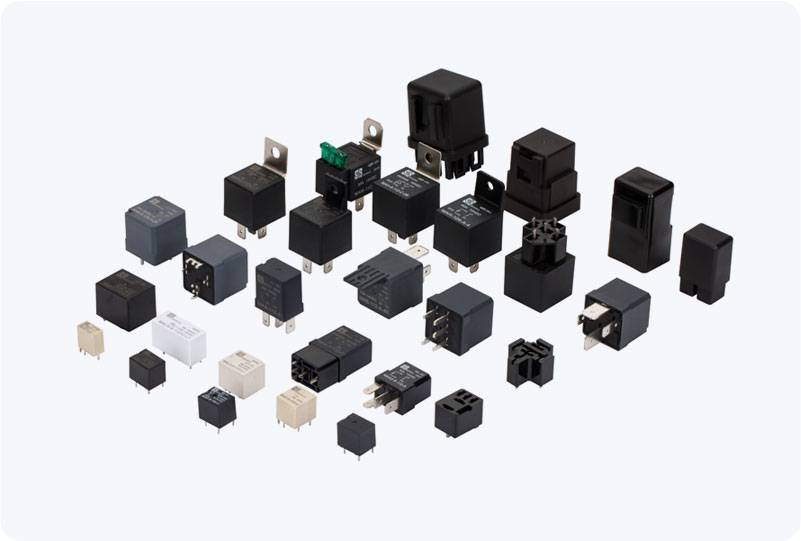
What is an EV Relay? A relay is an electrical switch that controls the flow of current in a circuit. In electric vehicles, EV relays are used to control high-voltage connections in various parts of the system, including the battery, inverter, and charging modules. Unlike traditional mechanical relays, EV relays are designed to handle the unique challenges presented by high-voltage and high-current applications in electric vehicle systems. Panasonic EV Relay: A High-Performance Component The Panasonic EV Relay is specifically engineered for use in electric vehicles. As the demand for EVs grows, so does the need for reliable, long-lasting, and efficient electrical components. Panasonic’s EV relays are at the forefront of this need, providing safe, efficient, and high-performance solutions. These relays are designed to manage the complexities of the power systems that power electric vehicles, ensuring safe operations under all conditions.