The rise of new energy vehicles (NEVs), particularly electric vehicles (EVs) and plug-in hybrid electric vehicles (PHEVs), marks a significant shift in the automotive industry. As these vehicles rely heavily on electric power systems, their performance, safety, and efficiency depend on a variety of components, with the New Energy Vehicle Relay being one of the most crucial. This article explores the essential role of relays in NEVs, examining their functionality, technical requirements, and their contribution to vehicle safety and performance.
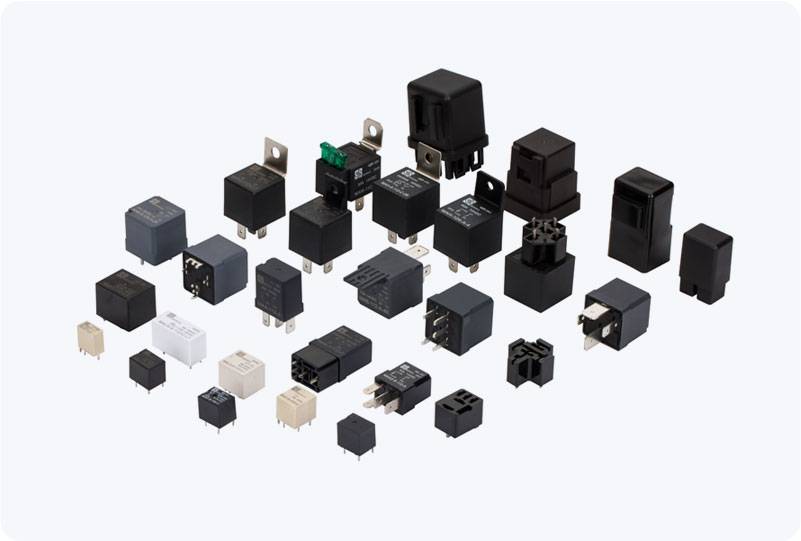
What is a New Energy Vehicle Relay? A New Energy Vehicle Relay is an electromechanical or solid-state switch that is used to control the flow of electrical current within the vehicle’s high-voltage and low-voltage systems. In electric and hybrid vehicles, the relay acts as a safeguard for the battery system, motor, and other electric components, ensuring that they operate efficiently and safely. The relay switches the current on and off in response to signals from the vehicle’s battery management system (BMS) or power control unit (PCU), making it a vital part of the vehicle’s electrical architecture.