In today’s industrial landscape, workplace safety has become a paramount concern, and one of the essential components of ensuring a safe working environment is the implementation of the Lockout/Tagout (LOTO) safety lock system. The LOTO safety lock system is used to prevent the accidental activation of machinery during maintenance and servicing, thereby protecting employees from potential hazards. This article delves into the key aspects of LOTO safety locks, their importance, and best practices for effective implementation.
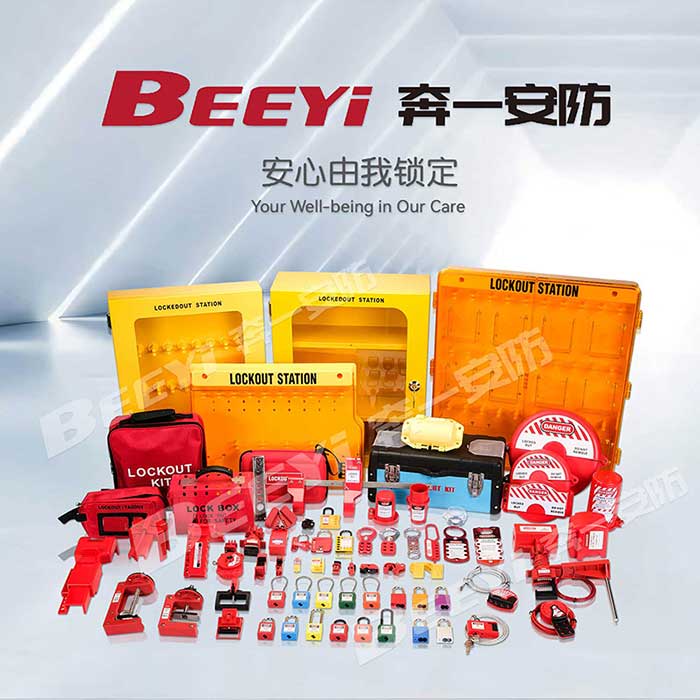
What is LOTO? The term LOTO stands for Lockout/Tagout, which is a safety procedure used in industrial settings to ensure that dangerous machines are properly shut off and cannot be started up again until maintenance or servicing is complete. The LOTO process involves two primary elements: locking out the energy source of the equipment with a LOTO safety lock and tagging it to inform others that the equipment has been locked out for maintenance. The Purpose of LOTO Safety Lock LOTO safety locks serve a crucial function by ensuring that equipment is not inadvertently powered or activated during maintenance work. When a technician begins to service a machine, they will place a LOTO safety lock on the energy source, such as electrical switches or valves, effectively preventing anyone from turning the equipment back on. This procedure is vital in protecting workers from risks such as unintended machine activation, which could lead to severe injuries or even fatalities.