Lockout/Tagout (LOTO) equipment plays a critical role in safeguarding the health and well-being of workers in various industries, particularly in environments involving heavy machinery, electrical systems, and hazardous energy sources. The core purpose of LOTO equipment is to prevent the accidental release of hazardous energy during maintenance or repair tasks, ensuring that workers are not exposed to avoidable risks. This article delves into the function, types, and importance of LOTO equipment, and how it contributes to industrial safety.
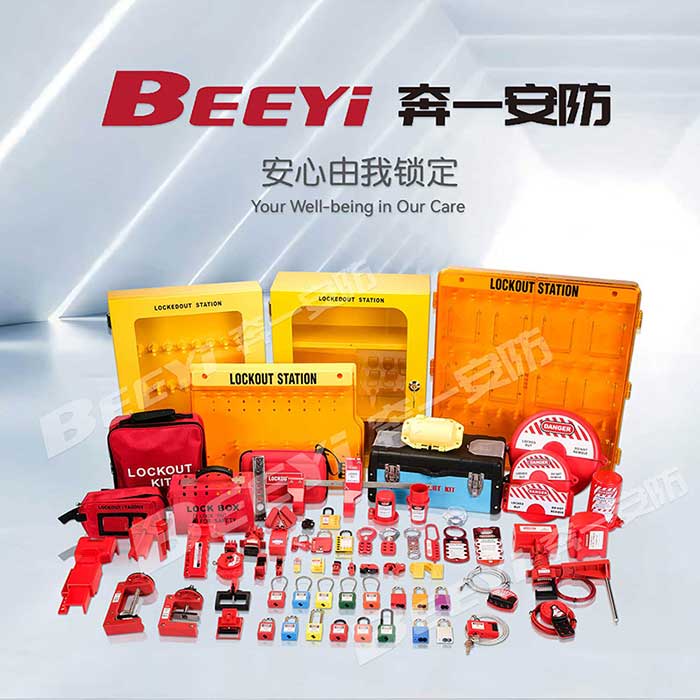
What is LOTO Equipment? LOTO equipment is a system designed to control hazardous energy during maintenance activities. The term “lockout” refers to physically locking a device, such as a valve or electrical switch, in a safe position to prevent it from being accidentally activated. “Tagout” refers to the use of warning tags attached to energy-isolating devices, alerting workers that the equipment is undergoing maintenance and must not be operated. In practice, LOTO procedures involve isolating hazardous energy sources (such as electrical, mechanical, hydraulic, or pneumatic energy) and ensuring that the equipment cannot be started until the work is complete and the lockout/tagout devices are removed.