Lockout Hasps are an essential component in industrial safety, designed to prevent the accidental activation of machinery and equipment during maintenance or repair. These devices are crucial for protecting workers from injuries caused by unexpected machinery start-ups or the release of stored energy. In this article, we will explore what Lockout Hasps are, their importance in workplace safety, how they work, and the benefits they offer in ensuring a safe work environment.
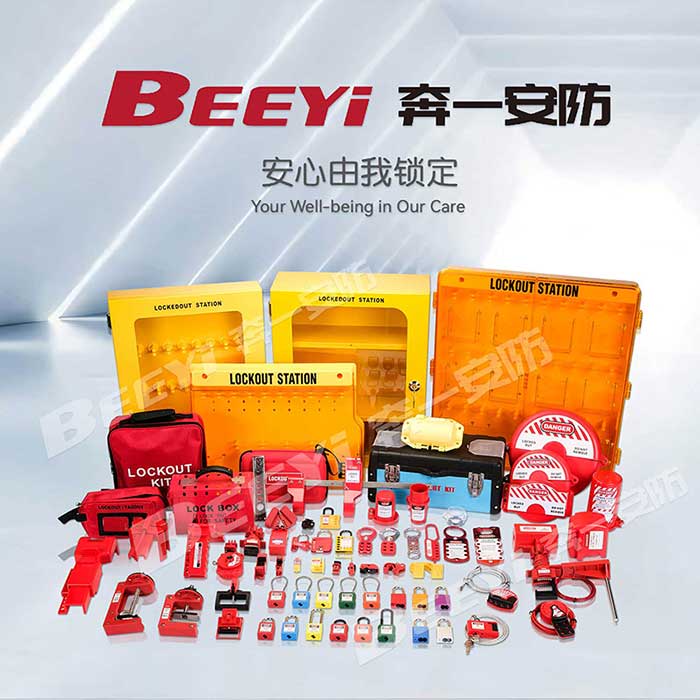
What is a Lockout Hasp? A Lockout Hasp is a safety device used in lockout/tagout (LOTO) procedures. It is typically a metal or high-strength plastic device with multiple holes or slots for locking. Each hole accommodates a padlock, allowing multiple workers to secure a machine or piece of equipment. This ensures that no one can operate the equipment until all individuals involved in the maintenance process have removed their locks. The primary function of a Lockout Hasp is to provide a visual and physical indication that the equipment is being worked on and is not to be operated. It prevents the accidental energization or startup of the equipment during the repair or service procedure, safeguarding workers from potential injuries.