In recent years, the automotive industry has witnessed a transformative shift towards sustainable energy solutions, leading to the increased adoption of electric vehicles (EVs) and plug-in hybrid electric vehicles (PHEVs). At the heart of these new energy vehicles (NEVs) lies an intricate electrical system that requires efficient and reliable components to ensure optimal performance and safety. One such crucial component is the High Voltage DC Relay, which plays a pivotal role in managing the high voltage systems found in these vehicles.
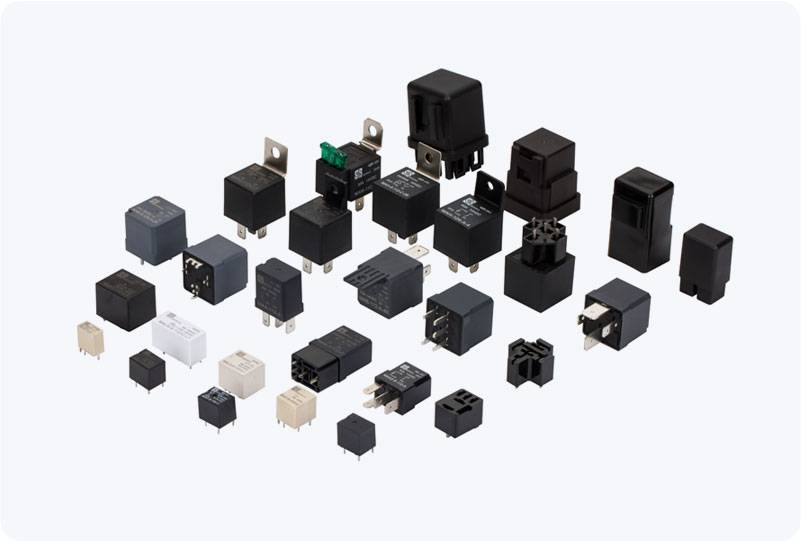
High Voltage DC Relays are specifically designed to control circuits that operate at elevated voltage levels, typically ranging from 200V to 800V. These relays facilitate the connection and disconnection of high voltage systems, serving various functions within NEVs, such as switching the connection between the battery and the electric motor or managing the interaction with charging stations. Their ability to handle high currents and voltages makes them essential for the effective performance of electric propulsion systems. One of the primary functions of a High Voltage DC Relay is to ensure the safety and reliability of the vehicle’s electrical system. Given the high voltage and current levels involved, any failure or unintended connection could lead to severe consequences, including electrical fires, equipment damage, or even life-threatening situations. Therefore, these relays are engineered with robust safety mechanisms, including effective insulation, minimal arcing, and quick disconnection features. The arcing phenomenon, which takes place during the opening and closing of the circuit, is particularly hazardous; hence, advanced designs incorporate techniques to ensure swift and reliable arc suppression.