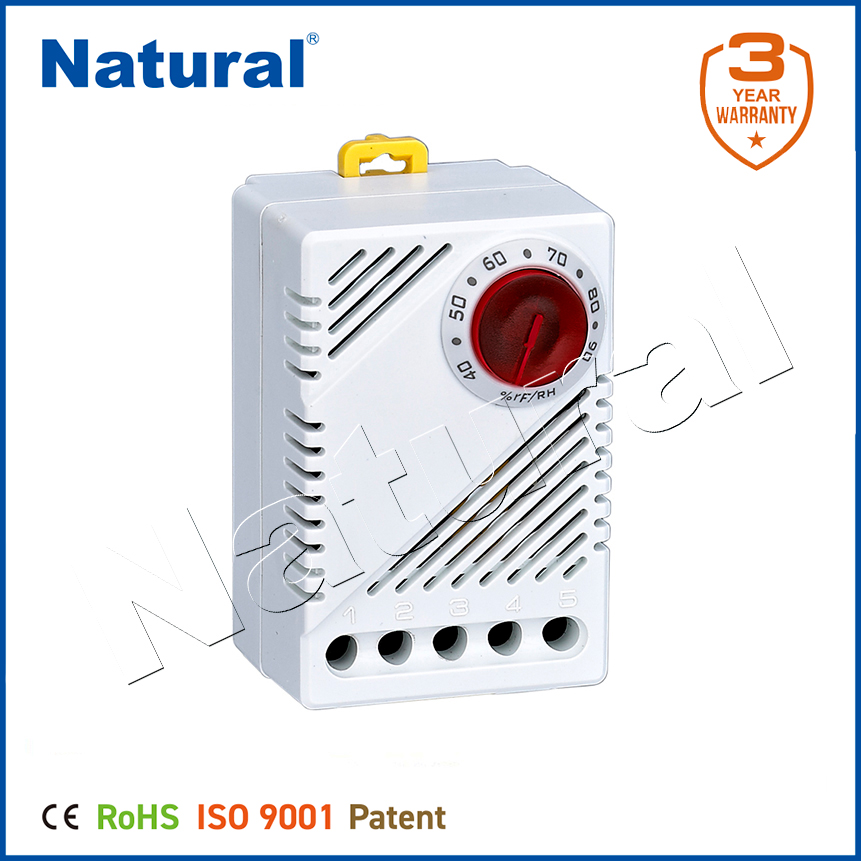
In today’s world, maintaining an optimal indoor environment is crucial for both comfort and the preservation of various materials. Whether it’s ensuring the longevity of antique furniture, protecting sensitive electronics, or creating the perfect atmosphere for plants, humidity plays a significant role in achieving these goals. The Electronic Hygrostat, a device designed to control and monitor humidity levels, has emerged as a valuable tool in managing indoor air quality and creating healthier, more efficient environments.
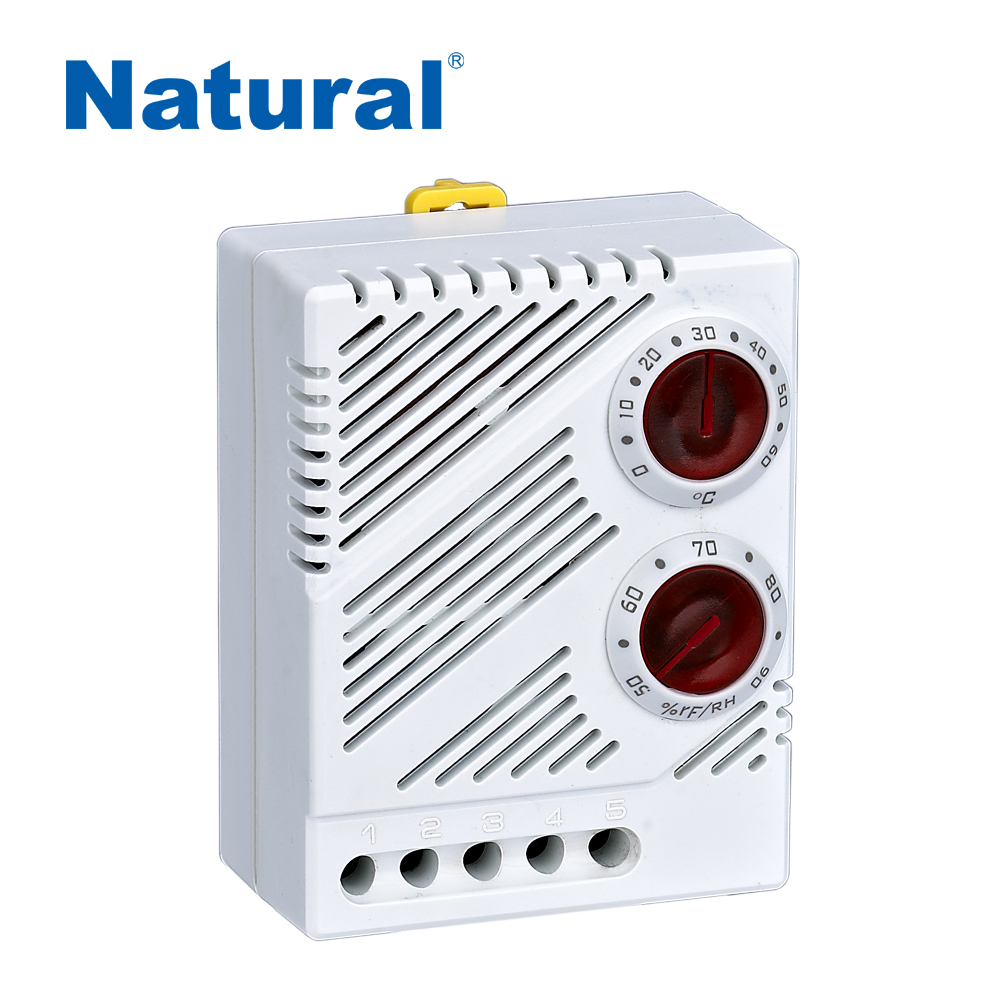
What is an Electronic Hygrostat?
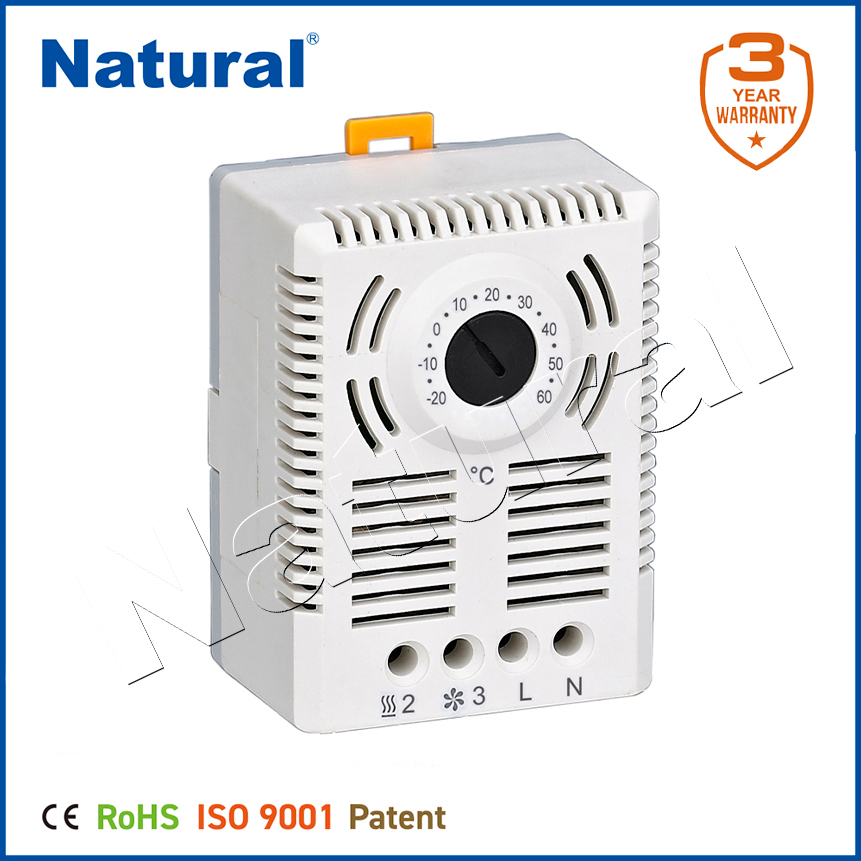
An Electronic Hygrostat is a digital humidity control device that monitors the moisture content in the air and regulates it according to preset parameters. Unlike traditional mechanical hygrostats, which rely on mechanical parts to measure humidity, electronic hygrostats use advanced sensors and microprocessors to deliver more accurate and reliable performance. They are often integrated into climate control systems like air conditioners, dehumidifiers, and humidifiers to maintain a consistent humidity level within a specific range. How Does an Electronic Hygrostat Work? At the heart of the Electronic Hygrostat lies a humidity sensor, which detects the relative humidity (RH) in the surrounding air. The sensor sends this data to a microcontroller, which compares it to the user-defined humidity setpoint. If the humidity level exceeds the set range, the electronic hygrostat activates a dehumidifier or air conditioning system to reduce the moisture. Conversely, if the humidity is too low, the device may trigger a humidifier or heating system to add moisture to the air.