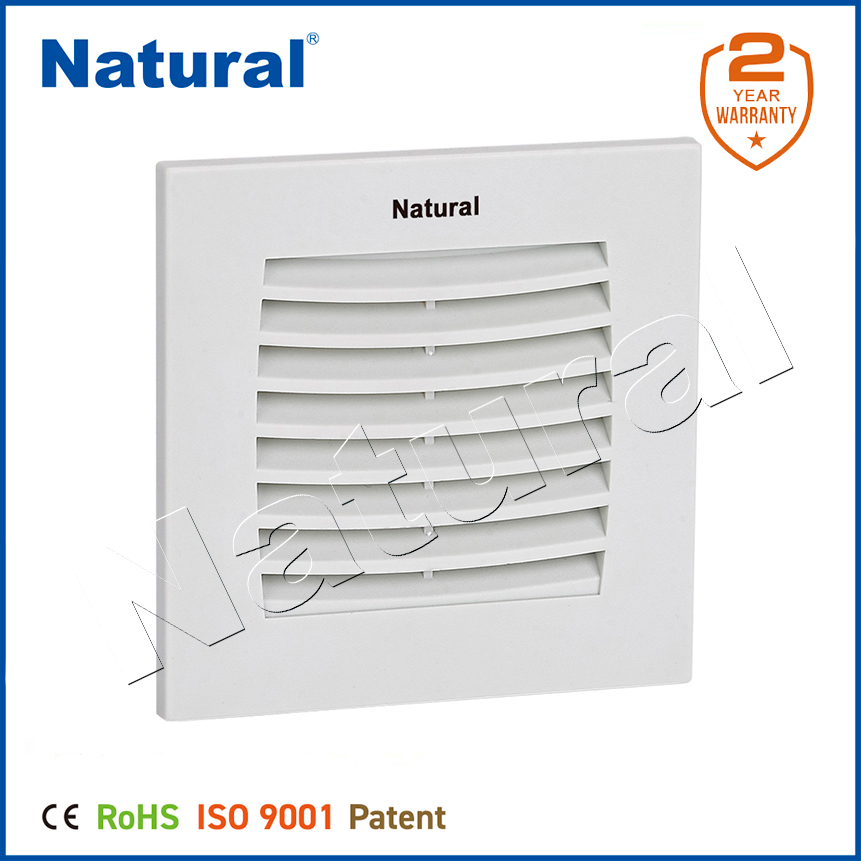
Electrical cabinets play a critical role in housing and protecting the essential electrical components in various industrial settings. These cabinets, responsible for housing circuits, transformers, and other electrical equipment, need to maintain an optimal environment to ensure their smooth operation. One crucial element in maintaining such an environment is the electrical cabinet filter. The filter ensures that the air entering the cabinet is free of harmful contaminants, maintaining the longevity and reliability of electrical components. This article explores the importance, functions, and types of electrical cabinet filters in ensuring the safety and efficiency of electrical systems.
The Role of Electrical Cabinet Filters
Electrical cabinets often operate in environments where dust, moisture, and other pollutants can compromise the performance of sensitive electrical components. Without proper ventilation and filtration, the buildup of contaminants can lead to overheating, short circuits, and even component failure. An electrical cabinet filter is specifically designed to prevent these pollutants from entering the cabinet while allowing for sufficient airflow to maintain temperature regulation. The primary function of the electrical cabinet filter is to keep the air inside the cabinet clean and dry. Electrical equipment generates heat during operation, and a proper ventilation system with the help of a filter ensures that excess heat is dissipated, preventing equipment from overheating. Moreover, the filter minimizes the entry of particulate matter, including dust and dirt, which can accumulate on the delicate components of electrical systems, leading to operational inefficiencies and potential damage.