In modern automobiles, the electrical systems that power various components are critical for safety and functionality. One essential component within this electrical system is the automotive relay, particularly for the headlights. The automotive relay for headlights plays a pivotal role in ensuring that the vehicle’s lighting functions reliably and efficiently, enhancing both road safety and the longevity of the electrical components. In this article, we will delve into the purpose, working principles, advantages, and maintenance of automotive relays for headlights, providing a comprehensive understanding of their importance in automotive design.
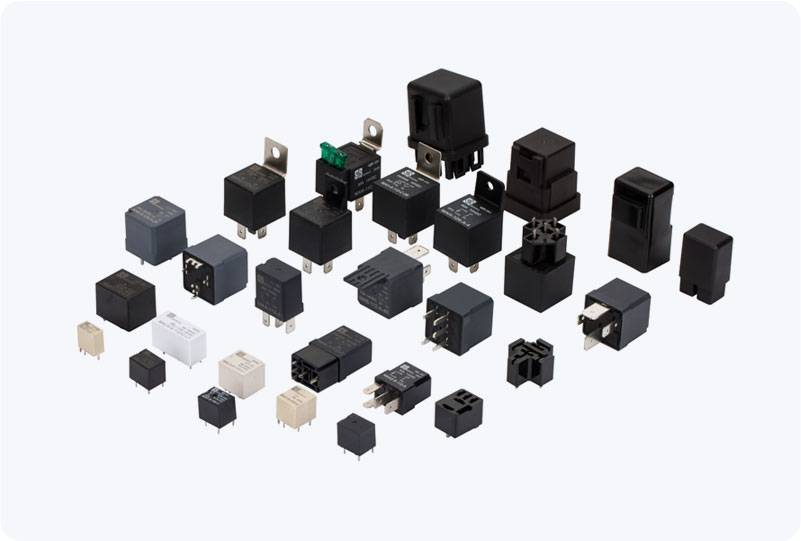
What is an Automotive Relay? An automotive relay is an electromechanical switch used to control a high-power circuit with a low-power signal. In the context of headlights, the relay allows the headlight switch, which typically operates at lower currents, to control the power delivered to the headlights themselves, which require a significantly higher current to operate effectively. By using a relay, the headlight switch can operate without the risks associated with carrying high currents, thus increasing its lifespan and reliability. How Does an Automotive Relay Work? The operation of an automotive relay for headlights involves a straightforward yet effective mechanism: