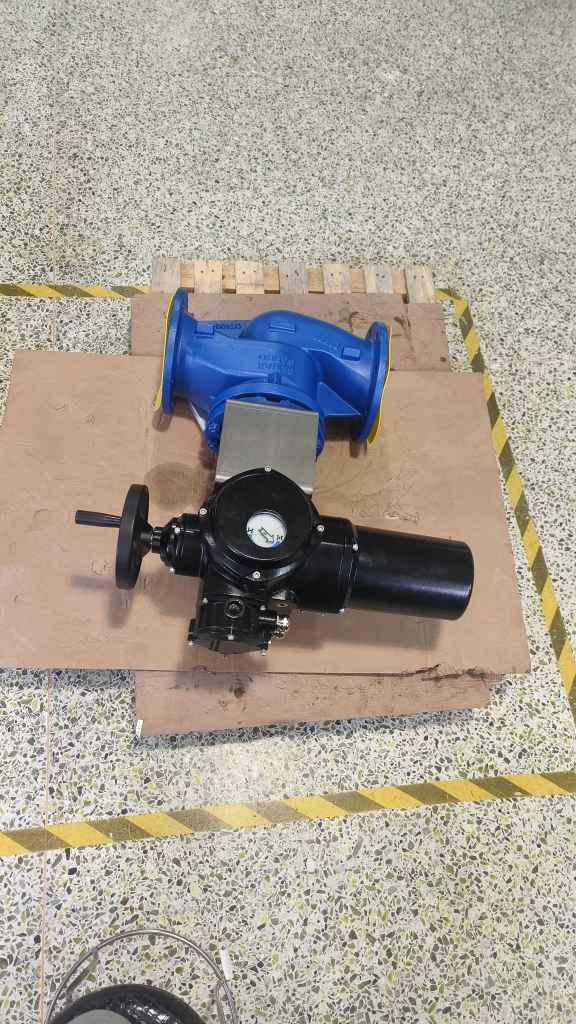
In today’s world, where the demand for energy storage and electric vehicles (EVs) is rapidly increasing, the safety of lithium-ion batteries has garnered significant attention. One of the crucial components that contribute to the safety and reliability of these battery systems is the lithium battery electric shut-off valve. This innovative device plays a vital role in managing the flow of electricity, enhancing the overall safety of lithium battery systems, and protecting them from potential hazards.
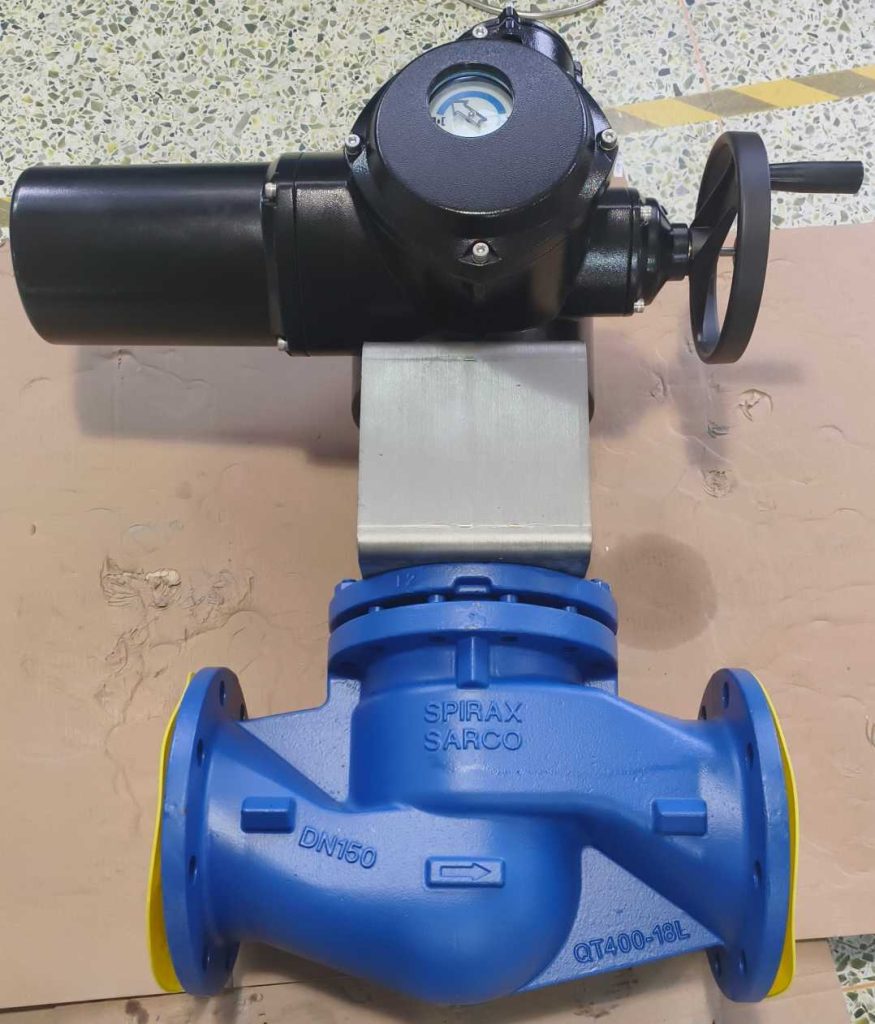
The Functionality of Electric Shut-off Valves
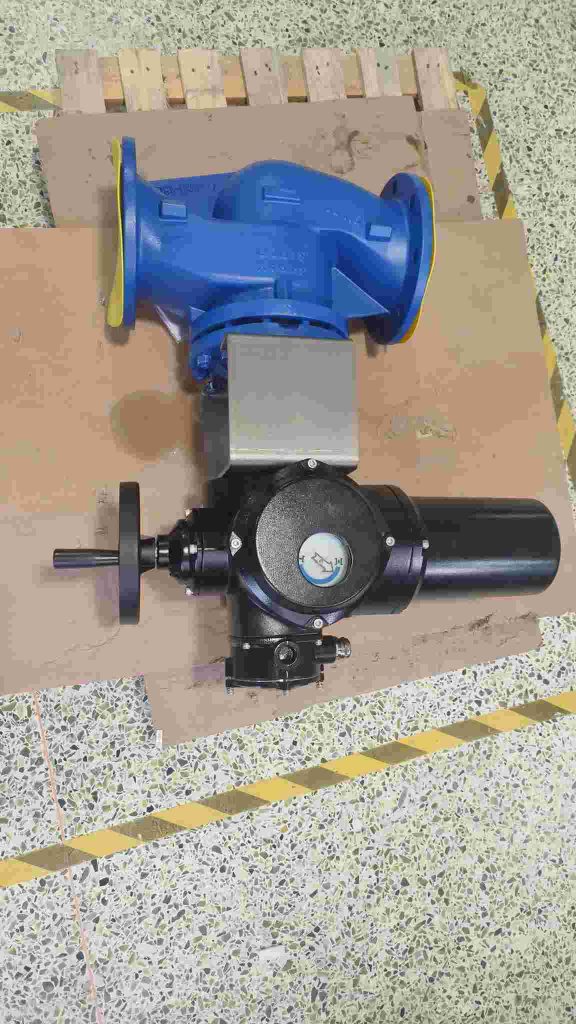
A lithium battery electric shut-off valve operates primarily by controlling the electrical current that flows between the battery pack and the load. When everything is functioning normally, the valve remains open, allowing power to flow freely. However, in the event of a fault condition—such as overcurrent, overheating, or a short circuit—the valve can be activated to swiftly disconnect the battery from the circuit. This immediate response helps mitigate the risk of catastrophic failures such as thermal runaway, fire, or explosion, which are particularly concerning with lithium battery technology.