The rise of electric vehicles (EVs) has transformed the automotive industry and brought forth new challenges in electrical components, particularly in relay technology. One significant standard that addresses these challenges is the IEC 61811, which focuses specifically on EV relays. This article delves into the importance of the IEC 61811 EV Relay, detailing its specifications, advantages, and its role in enhancing electric vehicle safety and efficiency.
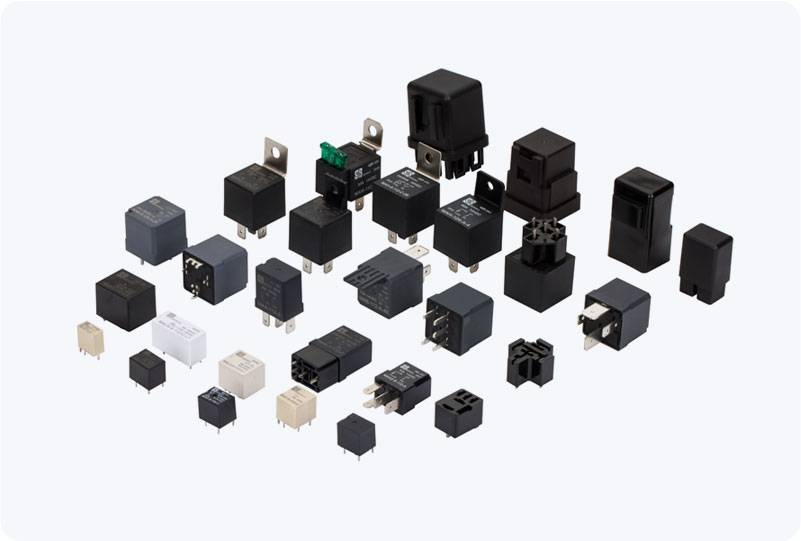
Overview of IEC 61811 The International Electrotechnical Commission (IEC) developed the IEC 61811 standard to ensure a high level of safety, reliability, and performance for relays employed in electric vehicles and related infrastructure. This standard encompasses various specifications, including operational requirements, testing methods, and guidelines for design and installation. By adhering to the IEC 61811 standard, manufacturers can produce EV relays that meet the evolving demands of modern electric vehicles. Key Specifications The IEC 61811 standard outlines several critical specifications that EV relays must meet to ensure their effectiveness. One of the foremost requirements is the ability to handle high voltage and current, as electric vehicles typically operate with significant electrical loads. The standard prescribes rigorous testing for dielectric strength, contact resistance, and insulation resistance, which helps to ascertain that the relay can function properly under various conditions.