In the ever-evolving world of electrical engineering, ensuring the safety and reliability of power systems is paramount. One innovative solution that has emerged is the Hydrogen Gas Arc Extinguishing Relay. This device plays a critical role in protecting high-voltage electrical equipment from the potentially devastating effects of electrical arcs, which can occur during faults or overload situations. This article delves into the workings, advantages, applications, and safety considerations surrounding this remarkable technology.
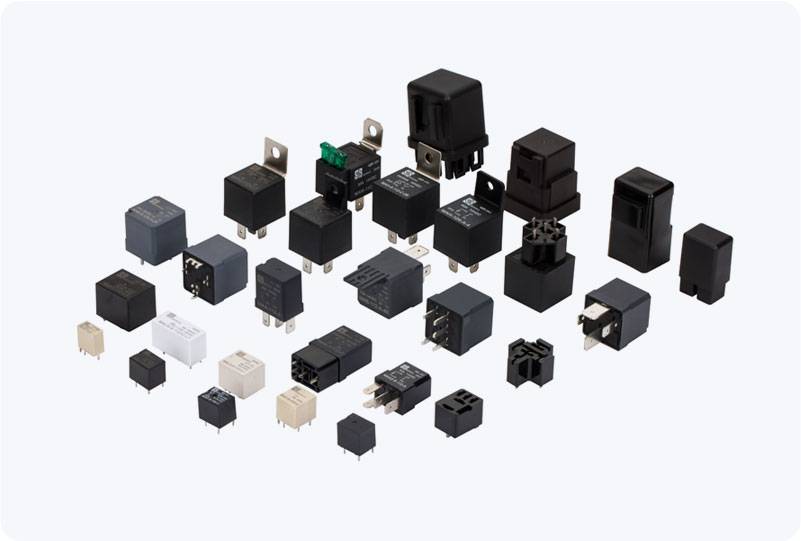
Operation Principle The Hydrogen Gas Arc Extinguishing Relay operates on a simple yet effective mechanism intended to combat electric arcs. An electrical arc is a visible plasma discharge that occurs when current passes through the air between two conductive surfaces at a high voltage. These arcs can cause extensive damage to equipment, posing significant safety hazards. When an arc occurs, the relay is activated by detecting the rapid rise in current. In response, it releases hydrogen gas to the area where the arc is present. Hydrogen, being highly conductive and having a low ionization energy, effectively absorbs the heat generated by the arc, lowering its temperature and density. The high thermal conductivity of hydrogen accelerates the cooling process, leading to the swift extinction of the arc. This action not only protects the adjacent components but also mitigates the risk of fire or explosive conditions that could arise from prolonged arcing.