A High Voltage DC (HVDC) Main Relay is an essential component in many high-voltage direct current applications, primarily used to control and protect electrical circuits. With the rise of electric vehicles (EVs), renewable energy systems such as solar power, and large-scale energy storage solutions, HVDC technology is becoming increasingly vital. The relay ensures safe and efficient operation in environments where managing and switching high-voltage DC is critical.
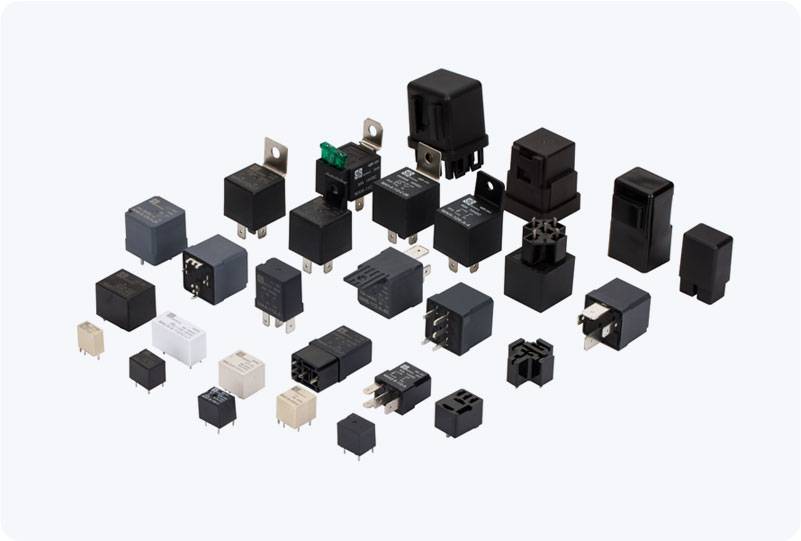
What is a High Voltage DC Main Relay? A High Voltage DC Main Relay is an electromechanical or solid-state switch designed to control the flow of high-voltage direct current (DC) electricity. These relays are responsible for switching large currents at voltages that typically range from several hundred to several thousand volts. Due to the unique characteristics of DC circuits, particularly the risk of arcing when interrupting the current, HVDC relays are engineered with specialized features to handle these challenges. Key Features of High Voltage DC Main Relays Arc Suppression: One of the key challenges in working with HVDC is the potential for arcing when the circuit is interrupted. Unlike alternating current (AC), which naturally zeroes out periodically, DC does not have this feature, making it more difficult to interrupt safely. HVDC relays are designed with advanced arc suppression techniques, such as gas extinguishing or vacuum technologies, to prevent damaging arcs and ensure the relay can safely interrupt the current.