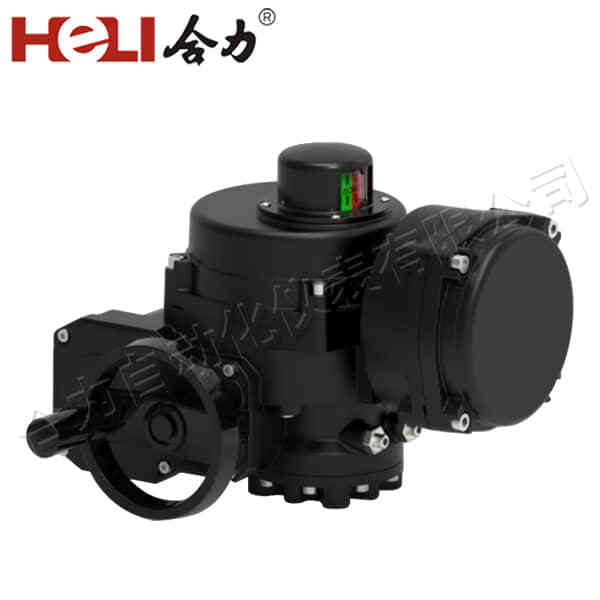
Electric actuator valves are crucial components in modern automation systems, offering reliable and precise control of fluid flow in various industrial applications. These valves, when paired with electric actuators, enable remote and automated control, reducing the need for manual intervention. This article explores the functionality, benefits, and typical applications of electric actuator valves, highlighting their importance in improving operational efficiency and safety in industries ranging from manufacturing to water treatment.
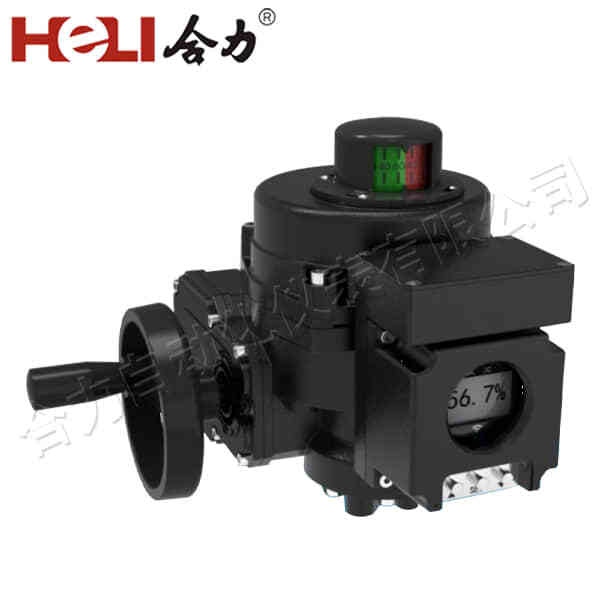
What is an Electric Actuator Valve?
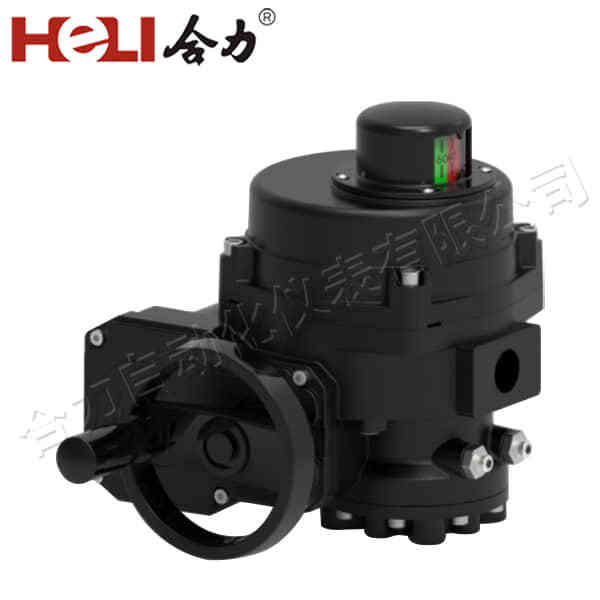
An electric actuator valve combines two essential elements: a valve and an electric actuator. The valve is a mechanical device designed to regulate the flow of fluids (gas, liquid, steam, etc.) within a system. The actuator, in this case, is an electric motor that moves the valve’s internal components, such as a ball, globe, or butterfly, to control the flow of fluid. Electric actuators are powered by electricity, which makes them ideal for remote or automated control. The primary function of an electric actuator valve is to respond to electric signals, translating them into mechanical movement to either open, close, or modulate the valve. By adjusting the valve’s position, the actuator controls the fluid flow with high precision, making these valves essential in industries where accuracy is critical.