Automatic relays are integral components in modern electrical systems, serving as crucial devices for automatic control and protection of circuits. They are widely used across various industries, from home appliances to industrial automation, to ensure the safety and efficiency of electrical systems. In this article, we will explore the working principle of automatic relays, their types, and their practical applications.
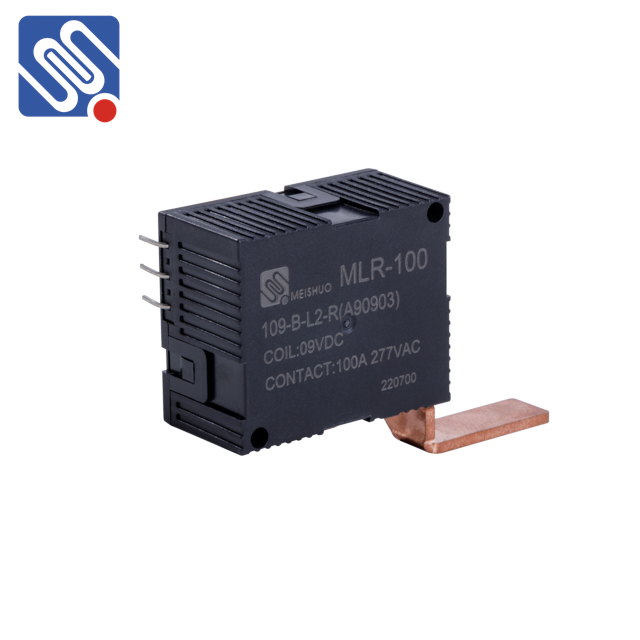
What is an Automatic Relay? An automatic relay is an electromechanical switch designed to monitor and control the current and voltage in an electrical circuit. It can automatically open or close the circuit based on predetermined conditions, such as overcurrent, overvoltage, or specific system faults. The primary function of an automatic relay is to safeguard electrical equipment by disconnecting the circuit in the event of abnormal conditions, preventing damage or potential hazards. Working Principle of Automatic Relays The working principle of an automatic relay is based on the operation of its contacts and the principle of electromagnetic induction. A relay typically consists of a coil and a set of contacts. When an electric current flows through the coil, it generates a magnetic field that either attracts or repels a movable armature. This movement causes the relay’s contacts to either open or close, depending on the design.