The Flow Control Solenoid Valve is a pivotal component in modern fluid control systems, offering precise and automated regulation of flow rates in hydraulic, pneumatic, and other fluid-based systems. By leveraging electromagnetic forces, this valve type ensures efficient and accurate management of fluid flow, making it indispensable across various industries. This article will explore the working principle, primary functions, applications, and benefits of the Flow Control Solenoid Valve.
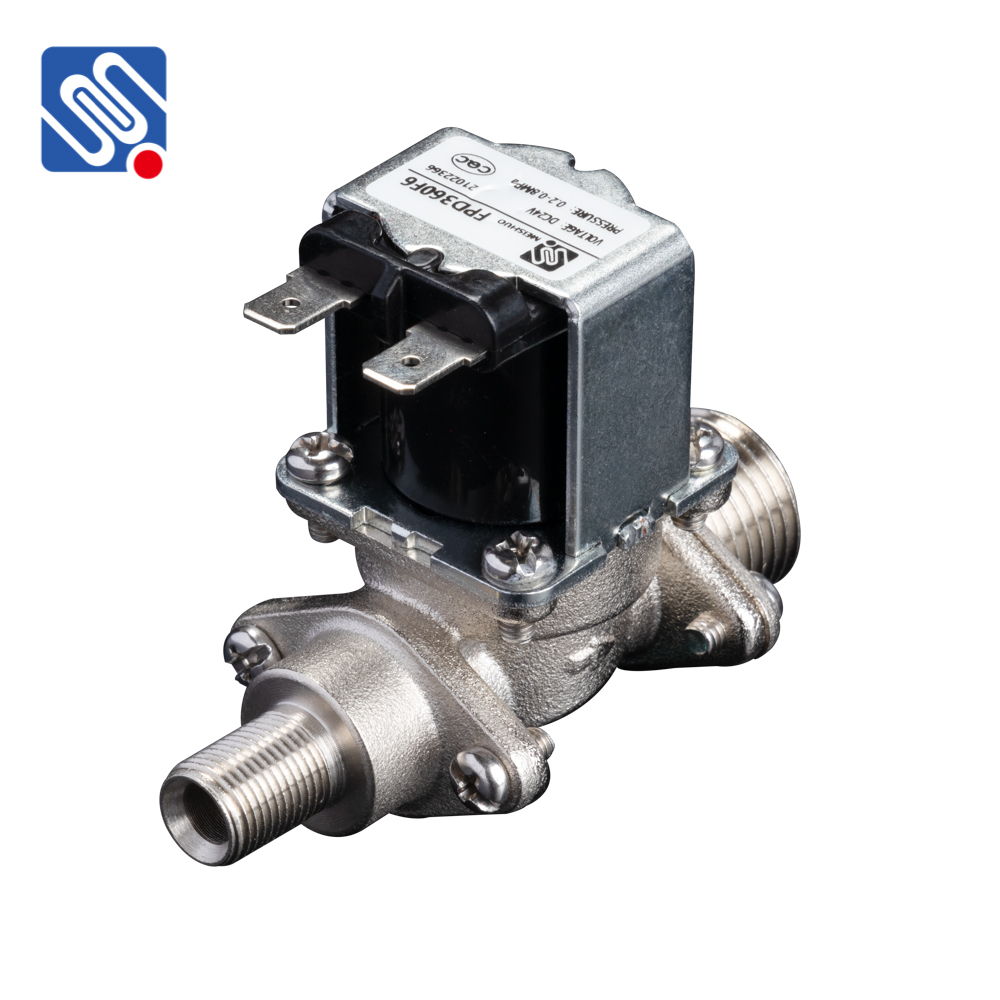
What is a Flow Control Solenoid Valve? A Flow Control Solenoid Valve is an electromechanical device designed to control the flow of liquids or gases in a system. It works by utilizing a solenoid, which is an electromagnetic coil that controls the valve’s position. When an electric current passes through the solenoid, it generates a magnetic field that either opens or closes the valve, thereby regulating the flow of the fluid. The primary advantage of this valve is its ability to offer precise flow control automatically, without the need for manual intervention. Working Principle The operation of a Flow Control Solenoid Valve is based on the principles of electromagnetism. The solenoid is activated by an electrical signal, typically supplied by a controller or sensor in the system. When current flows through the coil, a magnetic field is created, which moves a plunger or armature that controls the valve. The movement of this plunger adjusts the valve’s opening size, either allowing more or less fluid to pass through.