The electromagnetic relay is a fundamental component in a wide array of electronic and electrical systems, serving as a critical tool for controlling circuits. This device operates on the principles of electromagnetism, employing electric current to create a magnetic field that ultimately switches the circuit open or closed. In this article, we will explore the underlying principles of electromagnetic relays, their applications across various industries, and the benefits they deliver in both automation and control systems.
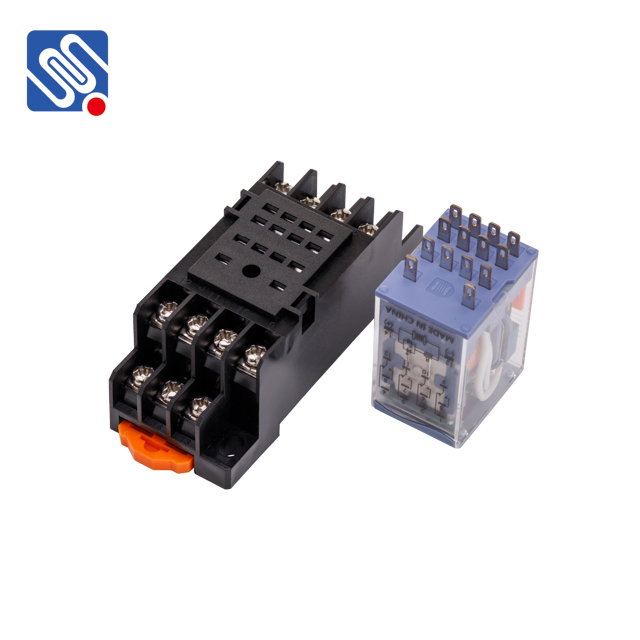
Principles of Operation At its core, the electromagnetic relay consists of several critical components: a coil (or solenoid), an armature, contacts (or switch points), and a spring. When an electric current flows through the coil, it generates a magnetic field, which attracts the armature. Depending on the design, this movement either closes a circuit (in the case of a Normally Open or NO relay) or opens a circuit (in the case of a Normally Closed or NC relay). The interplay between the magnetic field and mechanical parts ensures that the relay can handle substantial electrical loads while being controlled by a low-power signal. When the current is cut off, the magnetic field dissipates, allowing the spring to return the armature to its original position, thereby reversing the state of the contacts.