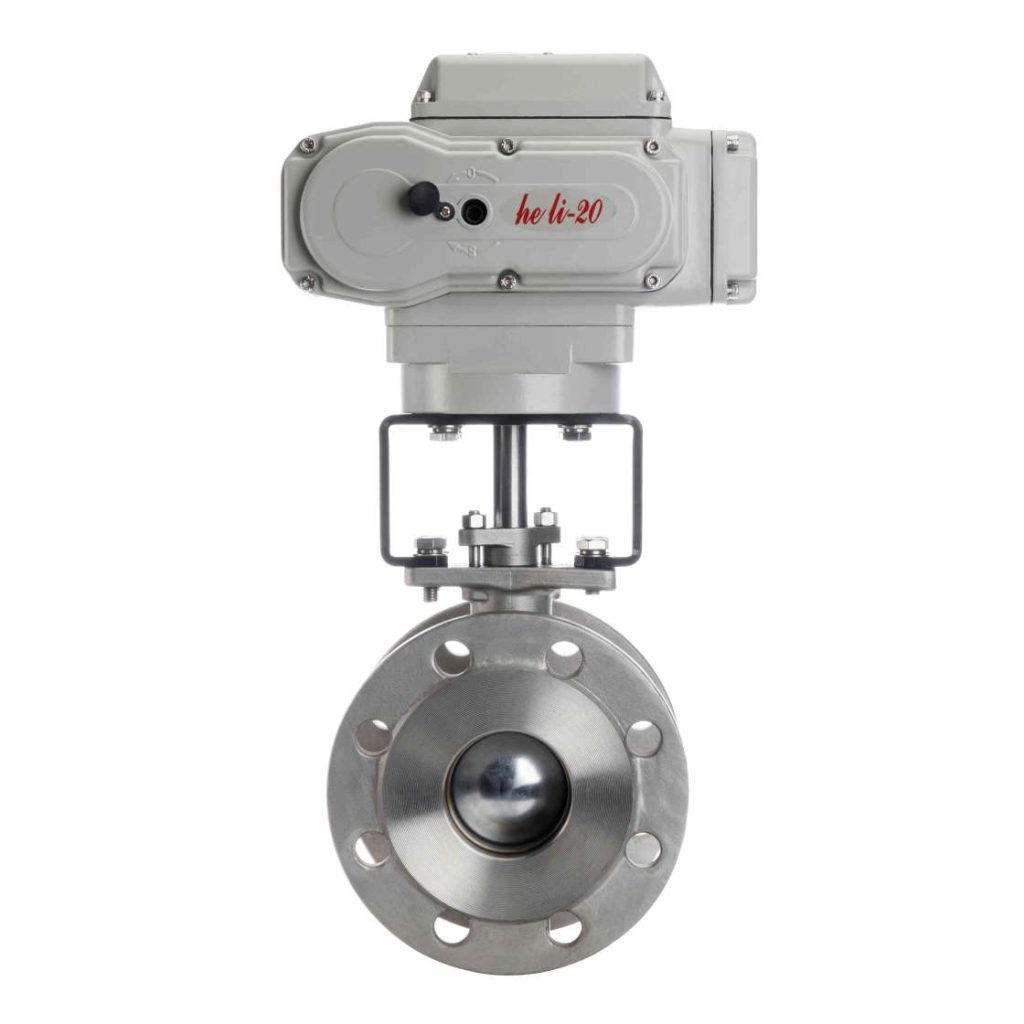
In industrial applications, controlling fluid flow accurately is crucial for efficient operations and safety. The Electric V-Ball Valve emerges as a vital solution in this context, combining the advantages of electrical operation with specialized V-shaped ball design. This article delves into the construction, working principle, advantages, and applications of the Electric V-Ball Valve, providing a well-rounded understanding of this indispensable component in modern fluid control systems.
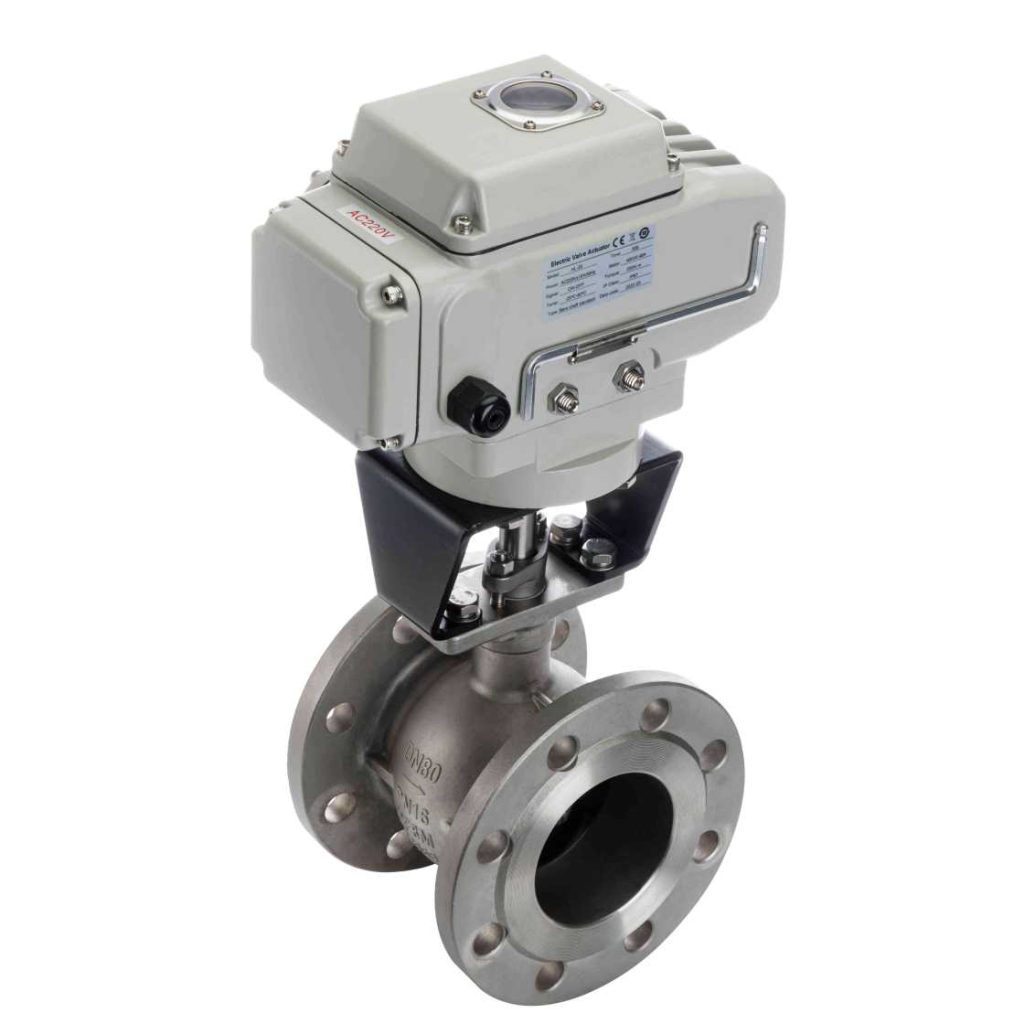
Construction of Electric V-Ball Valve
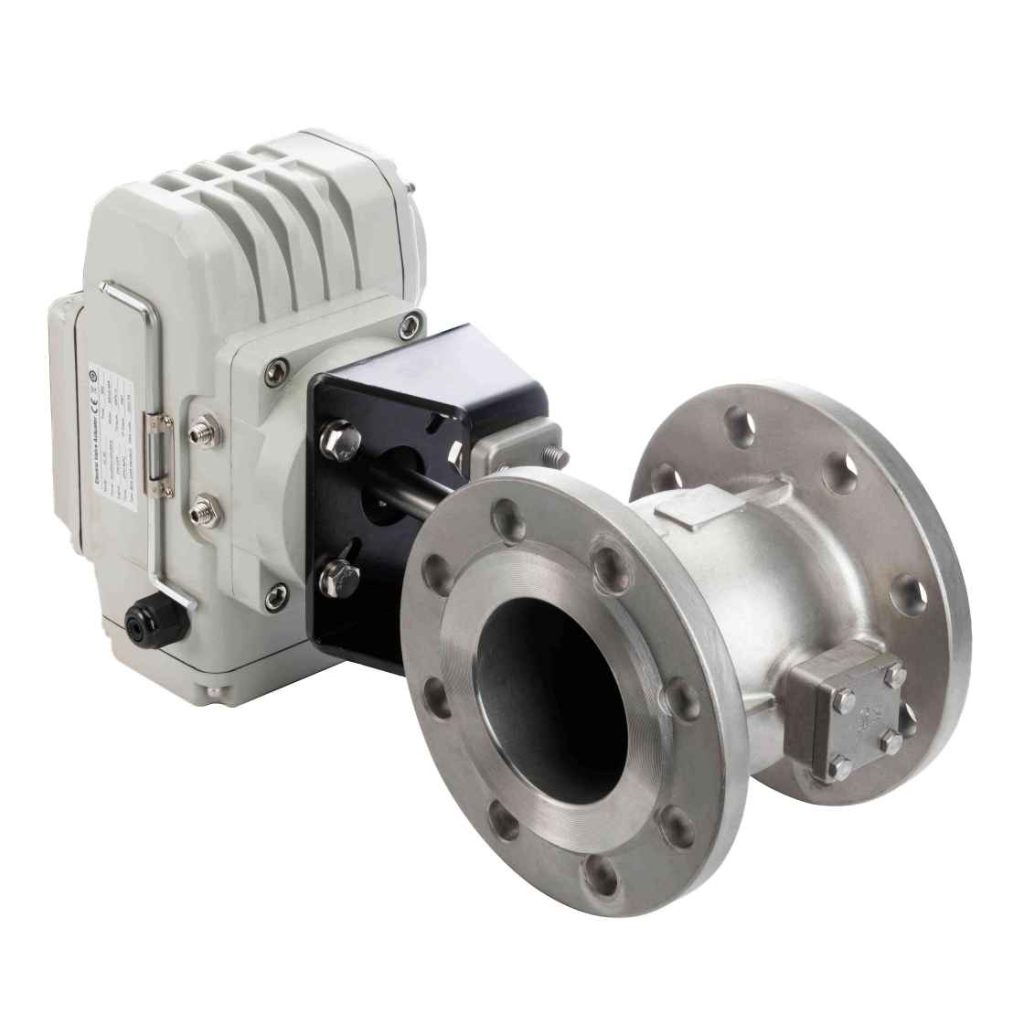
An Electric V-Ball Valve consists of several key components: Valve Body: The valve body is typically made from durable materials such as stainless steel, carbon steel, or various plastics. This serves to enhance the valve’s resistance to corrosion and pressure, which is essential in harsh industrial environments. V-Ball: The defining feature of this valve is its V-shaped ball. Unlike traditional ball valves, the V-shaped incision allows for precise flow control, making it particularly effective in applications where modulation is crucial. The design enables a finer adjustment of the flow, improving overall system efficiency.